
 11
11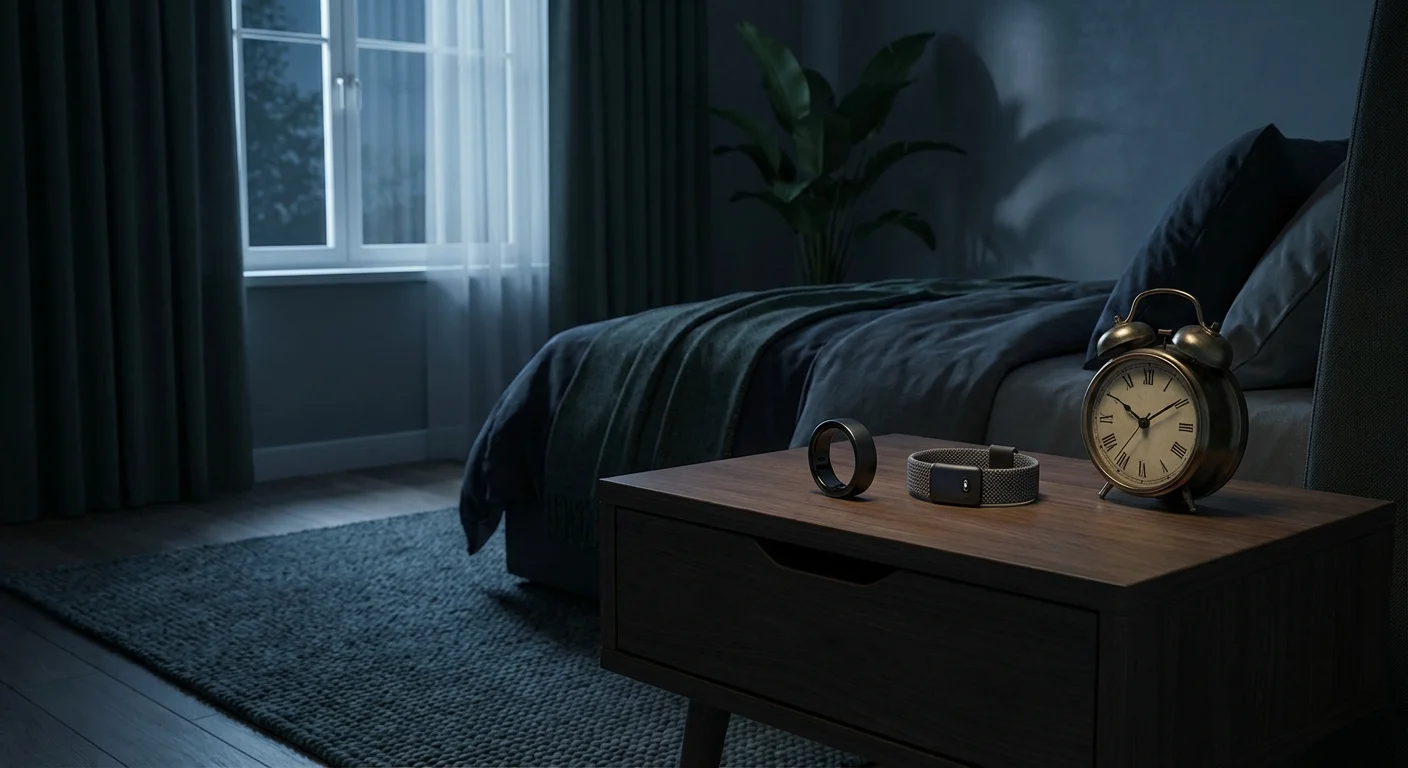
Imagine this: It’s 3:15 AM. You briefly stir from a light slumber, and out of sheer habit, you flick your wrist. Suddenly, a blinding OLED screen illuminates the dark room, flashing a notification from a random app, alongside a glaring red number telling you that your “Sleep Score” is currently poor. Before you know it, your heart rate spikes, your brain kicks into overdrive, and your chances of falling back into deep, restorative sleep are completely shattered. Welcome to the great smartwatch paradox.
For the past decade, tech giants have convinced us that the key to mastering our health and achieving perfect sleep is strapping a miniature smartphone to our wrists. We’ve been sold on the idea that tracking every heartbeat, blood oxygen level, and toss-and-turn will magically cure our insomnia. But a growing body of sleep scientists and tech minimalists are pushing back. They are advocating for a radical shift in how we track our health: ditching the smartwatch in favor of “dumb” wearables.
If you truly want to optimize your sleep, it’s time to rethink your relationship with wrist-bound tech. Here is why trading your flashy smartwatch for a screenless, passive wearable might be the best health investment you’ll ever make.
To understand why dumb wearables are superior for sleep, we first have to understand why smartwatches are failing us in the bedroom. While their sensors are highly advanced, the psychological and physiological impacts of wearing a screen to bed are heavily counterproductive.
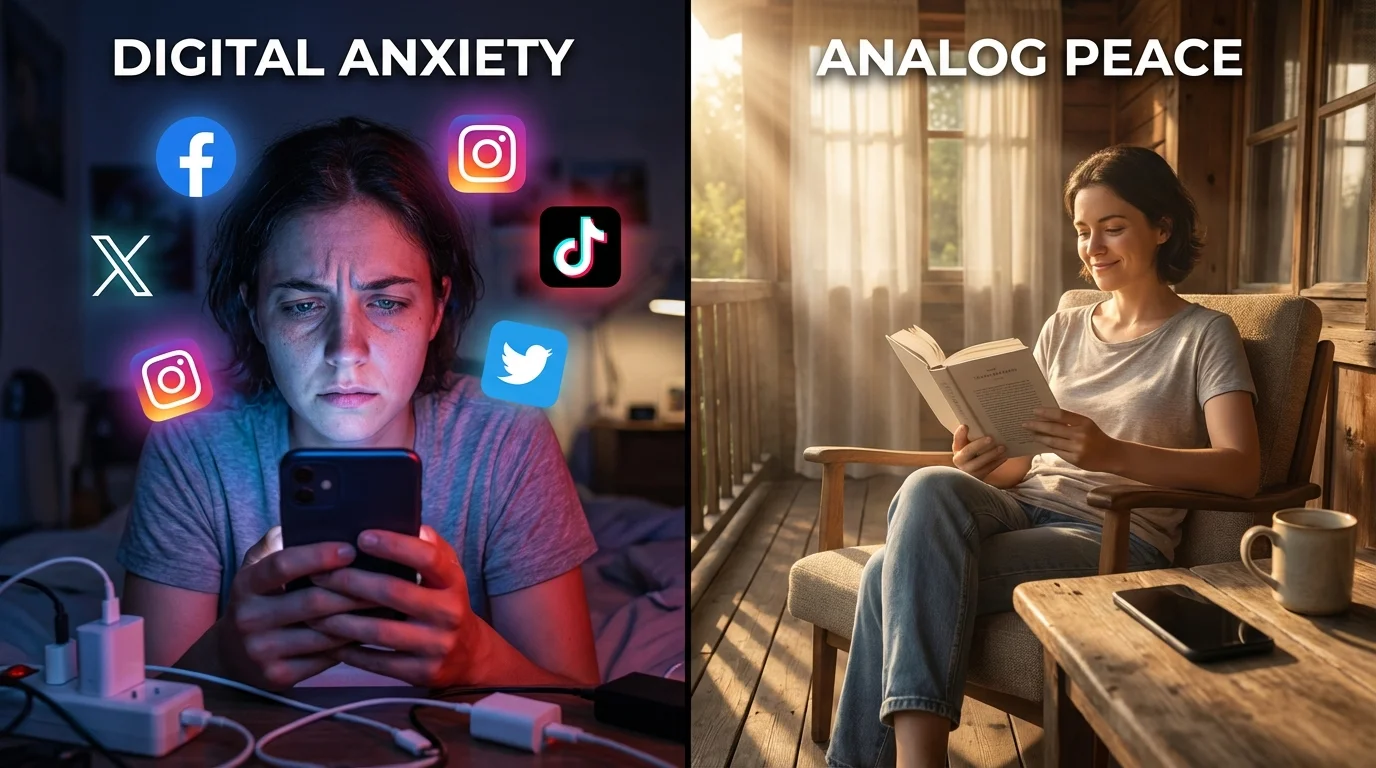
There is a newly recognized medical phenomenon called Orthosomnia—the unhealthy obsession with achieving perfect sleep metrics. Smartwatches gamify our sleep. When you wake up and see a low “sleep score,” it creates immediate morning anxiety. Even worse, the pressure to hit a perfect 100 on your sleep app can actually cause performance anxiety right before bed, delaying sleep onset and reducing sleep quality. You are stressing over the very metric you are trying to improve.
Our circadian rhythms are governed by light. When the sun goes down, our brains release melatonin, the hormone responsible for making us sleepy. However, the bright OLED screens on modern smartwatches emit blue light that mimics daylight. A single accidental wrist flick at 2 AM can halt melatonin production in its tracks, confusing your brain into thinking it’s time to wake up.
Even if you use “Do Not Disturb” modes, the subconscious awareness that you have a communication device on your wrist keeps your brain in a state of hyper-vigilance. The subtle haptic vibration of a late-night email or a calendar reminder can cause a micro-spike in cortisol (the stress hormone), pulling you out of deep sleep even if you don’t fully wake up.
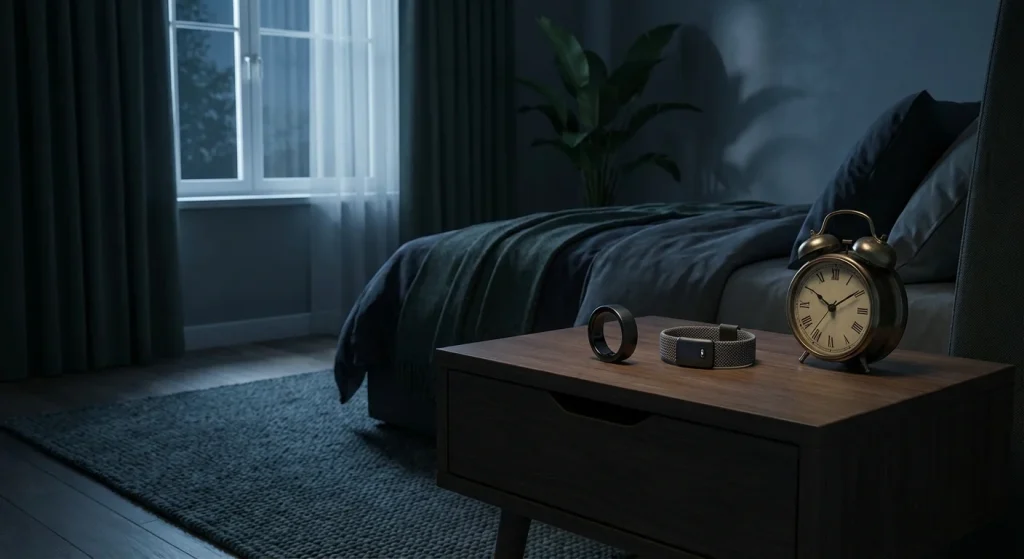
When we talk about “dumb” wearables, we aren’t talking about useless plastic bands. We are referring to screenless, passive health trackers. Think of devices like the Oura Ring, the Whoop strap, or screenless actigraphy bands. These devices still pack incredibly advanced biomedical sensors—often more accurate than mainstream smartwatches—but they strip away the screens, the apps, the notifications, and the distractions.
These devices operate on a singular philosophy: tech should serve you silently in the background, not demand your active attention.
If you’re on the fence about downgrading your tech to upgrade your life, here are the compelling reasons why a screenless wearable is the ultimate sleep companion.
Because dumb wearables lack screens, they emit absolutely zero light. You can wear them all night, toss and turn, and adjust your pillows without accidentally illuminating your bedroom like a nightclub. This preserves your natural melatonin production and keeps your circadian rhythm perfectly intact.
Dumb wearables gather your health data silently. They don’t buzz to tell you it’s time to stand up, and they don’t vibrate to alert you of a text message. They simply record your biometric data (heart rate variability, body temperature, respiratory rate) and sync it to your phone for you to review when you are ready. This shifts the power dynamic. You consume your health data on your own terms, usually the next morning over a cup of coffee, rather than being ambushed by it in the middle of the night.
Smartwatches are notoriously bulky. They catch on bedsheets, press uncomfortably into your wrist if you sleep on your side, and trap sweat. Dumb wearables, particularly smart rings or minimalist fabric bands, are designed specifically for 24/7 wear. They are lightweight, low-profile, and almost unnoticeable, allowing for completely unrestricted movement while you sleep.
Charging a smartwatch every single day is a chore. Many users end up charging their watches at night, completely missing out on sleep tracking anyway. Dumb wearables, devoid of power-hungry screens and GPS chips, often boast battery lives lasting anywhere from 5 to 7 days. This “set it and forget it” nature removes the daily mental friction of battery anxiety.
Enhance your sleep quality and mental clarity by tapping into your brain’s natural theta waves with this powerful audio program.
While smartwatches are “jack of all trades” devices trying to be mini-phones, dumb wearables are highly specialized. Devices like Whoop and Oura prioritize recovery over productivity. Their algorithms are specifically tailored to analyze your sleep architecture and tell you how recovered your body is, rather than how many unread emails you have.
To put things into perspective, let’s look at a direct comparison of the two device categories when it comes to sleep and recovery.
| Feature | Traditional Smartwatch | “Dumb” Wearable (Screenless) |
|---|---|---|
| Screen/Display | Bright OLED / LCD | None (App reliant) |
| Distraction Level | High (Notifications, calls, apps) | Zero (Passive tracking only) |
| Battery Life | 1-2 Days | 5-7 Days |
| Sleep Comfort | Bulky, heavy, screen wakes up | Lightweight, unnoticeable |
| Primary Focus | Productivity & Communication | Health, Sleep & Recovery |
If you are ready to reclaim your sleep sanctuary, you don’t necessarily have to throw your expensive smartwatch in the trash. Here is a realistic approach to modifying your tech habits:
Technology should be a tool that enhances our biological functions, not a master that disrupts them. By constantly chasing the “perfect” sleep score on a bright, buzzing screen, we are actively sabotaging the exact rest our bodies desperately crave. Investing in a dumb wearable is a profound statement: it means you are choosing biological harmony over digital connectivity. It is, without a doubt, the smartest tech investment you can make for your health.
Yes. In fact, many screenless wearables like the Oura Ring and Whoop strap are considered industry leaders in sleep staging accuracy. Because they sit snugly on the finger or wrist without bulky screens, their optical heart rate sensors and temperature trackers can get incredibly consistent readings throughout the night, accurately measuring Light, Deep, and REM sleep cycles.
Many screenless bands (like Whoop) feature a silent haptic alarm that gently vibrates to wake you up without making a sound. Alternatively, you can return to a classic dawn-simulator alarm clock or use your phone’s alarm placed across the bedroom, which prevents you from mindlessly scrolling in bed.
It depends. The upfront hardware cost is often similar or slightly lower than flagship smartwatches (ranging from $150 to $300). However, be aware that some premium screenless trackers operate on a subscription model to access their advanced algorithmic data and personalized health coaching.
If you want ultimate comfort, a smart ring (like the Oura Ring or Ultrahuman Ring) is an excellent choice since it frees up your wrist completely. If you are highly active and want deep fitness recovery insights alongside sleep tracking, a screenless band like the Whoop 4.0 is highly recommended.
It can, if you obsess over the app data every morning. However, because dumb wearables don’t push notifications to your wrist, you have to actively choose when to engage with your data. This creates a healthy psychological buffer, allowing you to review your sleep metrics objectively rather than reactively.