
Let us be brutally honest: opening your monthly electric bill shouldn’t feel like bracing for a jump scare in a horror movie. In an era where everything from our groceries to our gas is becoming more expensive, utility bills are silently creeping up to record highs. Most of us have already tried the standard advice. We turn off the lights when we leave a room, we lower the thermostat by a few degrees in the winter, and we maybe even upgraded to LED bulbs a few years ago. But despite these minor behavioral tweaks, that utility bill still remains stubbornly high.
When most people think of a ‘smart home,’ they imagine voice assistants telling jokes, color-changing lightbulbs, or video doorbells. While those gadgets offer undeniable convenience and security, they rarely do anything to protect your wallet. The truth is, the tech industry has quietly developed a completely different tier of smart devices. These are the unsung heroes of home automation—brilliant, behind-the-scenes gadgets designed specifically to optimize your home’s energy consumption, eliminate phantom power drain, and seamlessly lower your carbon footprint. Best of all? They do the heavy lifting automatically.
If you are ready to transform your home from an energy-guzzling liability into a highly efficient, money-saving machine, you are in the right place. Here are 7 incredibly smart home devices you probably didn’t know existed, but absolutely need if you want to lower your electric bill permanently.
1. Whole-Home Smart Energy Monitors (The Brains of the Operation)
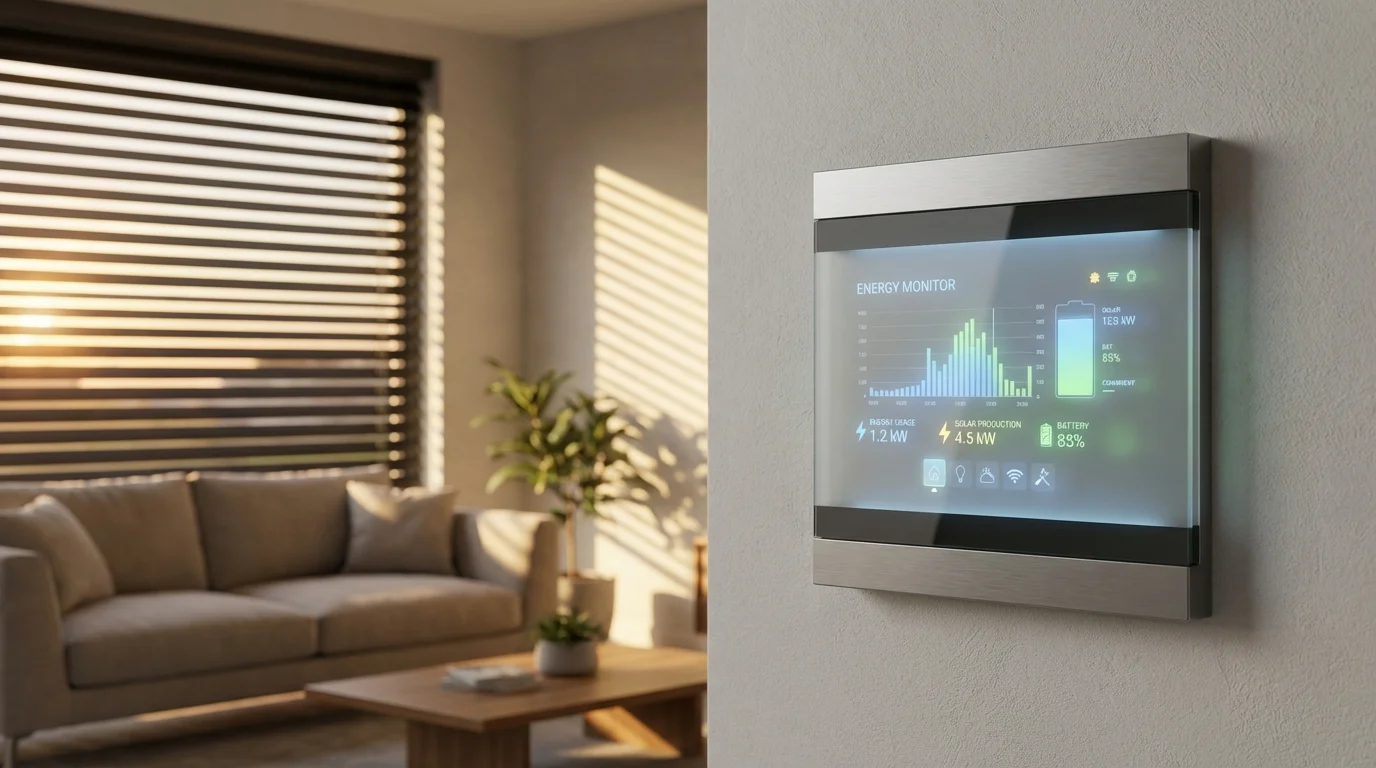
Imagine if your car didn’t have a speedometer or a fuel gauge. You would have no idea how fast you were going or when you were about to run out of gas until it was too late. That is exactly how most of us consume electricity. We plug things in, run appliances, and wait 30 days to see the financial damage. Whole-home smart energy monitors, like the Sense Energy Monitor, completely change this dynamic.
Installed directly into your electrical panel (usually by a certified electrician), these ingenious little boxes analyze the electrical current of your entire home millions of times per second. Using advanced machine learning algorithms, they learn the unique electrical ‘signatures’ of individual appliances. Within a few weeks, the companion app can tell you exactly how much it costs to run your specific toaster, your vintage refrigerator, or the pool pump. By identifying the massive energy hogs hiding in plain sight, you can make informed decisions about whether to repair, replace, or simply unplug inefficient appliances. Homeowners frequently report saving up to 20% on their bills simply by having real-time visibility into their usage.
2. Smart Vents (Stop Conditioning Empty Air)
Think about how your home’s central HVAC system works. When the thermostat kicks on, conditioned air is pushed into every single room of your house, regardless of whether anyone is actually in those rooms. Why are you spending money to heat or cool an empty guest room, a vacant home office, or a basement nobody goes into during the week? Traditional vents force you to manually open and close them, which can actually damage your HVAC system through pressure buildup if done incorrectly.
Enter the smart vent (from brands like Keen Home or Flair). These brilliantly designed vents replace your standard floor, wall, or ceiling grilles. They connect wirelessly to your smart home ecosystem and use built-in temperature and pressure sensors to automatically open and close based on room occupancy or specific schedules. They communicate with your main smart thermostat to intelligently redirect airflow only to the rooms that are currently in use, balancing the pressure to protect your system’s motor. This targeted zoning approach can drastically reduce the runtime of your heavy-duty AC compressor, translating to immediate and noticeable savings on your utility bills.
3. Smart Water Heater Controllers (Taming the Hidden Beast)
Most homeowners severely underestimate the cost of heating water. Your traditional water heater is essentially a giant insulated kettle that runs 24/7, constantly using electricity or gas to ensure the water stays hot—even when you are sleeping, at work, or on a two-week vacation. This constant reheating process is known as ‘standby heat loss,’ and it accounts for a staggering chunk of your monthly energy expenditure.
A smart water heater controller (such as the Aquanta) retrofits onto your existing water heater to instantly bring it into the 21st century. These devices learn your household’s actual hot water usage patterns. If everyone showers at 7:00 AM and does the dishes at 8:00 PM, the controller will ensure the water is perfectly heated for those exact times. During the dead of night or when the house is empty, it lowers the temperature to save energy. You can also manually put your water heater into ‘vacation mode’ right from your smartphone while waiting at the airport gate. It is one of the quickest ways to stop literally pouring money down the drain.
4. Heavy-Duty Smart Plugs with Energy Monitoring
You probably already know about basic smart plugs that let you turn a lamp on and off with your voice. However, the heavy-duty variants equipped with built-in energy monitoring are a completely different animal. Did you know that the average home loses up to 10% of its monthly electricity to ‘vampire power’? This is the energy drawn by devices—like televisions, gaming consoles, desktop computers, and microwave ovens—even when they are supposedly turned off.
Heavy-duty smart plugs allow you to set strict schedules that completely sever the electrical connection to these phantom energy drainers during specific hours. For example, you can group your entire entertainment center onto one smart power strip and have it physically cut the power at midnight, restoring it at 5:00 PM the next day. Furthermore, the real-time energy monitoring feature lets you see exactly how many kilowatt-hours an individual device is consuming over a week or month, helping you identify older electronics that might be costing more to run than they are worth.
5. Motorized Smart Blinds and Shades (Passive Climate Control)
When we think of cooling a home, we immediately think of air conditioning. But dealing with temperature is largely about dealing with the sun. Large windows, especially those facing east and west, turn your home into a greenhouse. The ‘solar heat gain’ during a hot summer afternoon forces your air conditioner to work overtime, pulling massive amounts of electricity just to combat the sun rays pouring into your living room.
Motorized smart blinds are a brilliant solution to this thermal challenge. By linking them to your smart home system or temperature sensors, you can program your shades to automatically lower the moment the room reaches a certain temperature or during peak sunlight hours. Conversely, in the dead of winter, smart blinds can automatically open at noon to allow the sun to naturally heat your home, reducing the strain on your furnace. By passively managing the temperature before your HVAC system even needs to kick on, smart shades offer a beautiful, elegant, and highly effective way to slash your heating and cooling costs.
6. Smart Ceiling Fan Hubs (The Airflow Optimizer)
Ceiling fans are incredibly efficient. Running a ceiling fan takes a fraction of the energy required to run a central air conditioning unit. The problem? Humans are forgetful. We leave fans running in empty rooms, completely negating their energy-saving benefits. (Remember, fans cool people, not rooms, by creating a wind-chill effect on your skin).
Devices like the BOND bridge can take your existing, ‘dumb’ remote-controlled ceiling fans and make them incredibly smart. Once connected, you can automate your fans to turn on only when motion is detected in a room and turn off five minutes after the room is empty. Even better, you can integrate them with your smart thermostat. You can set a rule that automatically raises your AC temperature by three degrees but simultaneously kicks on all the ceiling fans. You will feel exactly as cool, but your heavy-duty AC compressor will run significantly less, resulting in a dramatic drop in electrical usage.
7. Smart Sprinkler Controllers (Liquid Energy Savings)
Wait, aren’t sprinklers about saving water, not electricity? Yes and no. While devices like the Rachio Smart Sprinkler Controller are famous for cutting outdoor water usage by up to 50% through hyper-local weather forecasting (never watering while it’s raining!), they also save a massive amount of electricity. If your home uses a well pump or a specialized irrigation pump, these are heavy-duty electrical motors.
Running a powerful 1.5 horsepower pump for hours every week takes a toll on your electric bill. By optimizing your watering schedule to run only exactly when the soil needs it—and pausing during rainstorms or high winds—you are dramatically reducing the electrical run-time of those massive water pumps. Furthermore, some areas offer varying electricity rates based on the time of day. A smart controller ensures your pumps only run during the cheapest, off-peak hours in the middle of the night.
The Financial Bottom Line
Upgrading your home with these hidden tech gems does require an upfront investment. However, unlike a purely aesthetic upgrade, energy-saving smart home devices provide a measurable Return on Investment (ROI). Within 12 to 24 months, devices like smart vents, energy monitors, and water heater controllers typically pay for themselves entirely. After that break-even point, every dollar saved is pure money back in your pocket.
Upgrade Your Smart Home Instantly!
Don’t wait to start saving energy—get the Axis Bank Credit Card for special Wednesday offers and easy EMIs on your smart home gadget purchases above ₹2,500.
Quick Comparison: Smart Home ROI
| Device Type | Primary Function | Estimated Annual Savings |
|---|---|---|
| Smart Energy Monitor | Finds hidden power hogs | $100 – $300+ |
| Smart Vents | Zoned heating & cooling | $50 – $150 |
| Smart Water Heater Controller | Reduces standby heat loss | $80 – $200 |
| Smart Blinds | Passive thermal management | $60 – $120 |
| Smart Plugs | Eliminates vampire power | $30 – $75 |
Frequently Asked Questions (FAQ)
Do I need a hub to use all these smart devices?
It depends on the specific brand, but largely, no. Many modern smart home devices connect directly to your home’s Wi-Fi network and can be controlled via their standalone apps or linked directly to popular voice assistants like Amazon Alexa, Google Assistant, or Apple HomeKit. However, using a dedicated hub like SmartThings or Hubitat can make complex automations (like linking your blinds to your thermostat) much easier.
Are whole-home energy monitors safe to install?
The monitors themselves are incredibly safe and use non-invasive clamps that simply wrap around the main power cables inside your electrical panel. However, because installation requires opening the panel and exposing yourself to high voltage, it is strictly recommended that you hire a licensed electrician to install the device. The installation usually takes less than 30 minutes.
What happens to these devices if the Wi-Fi goes down?
Most smart home devices are designed to default to their last known schedule or revert to a ‘dumb’ manual mode if internet connectivity is lost. For example, your smart water heater will still maintain a safe baseline temperature, and you can always manually push a button to open your smart blinds. You simply won’t be able to control them remotely via your smartphone until the Wi-Fi is restored.
Will smart plugs work on large appliances like refrigerators or AC units?
You must be very careful here. Standard smart plugs are typically rated for 10 to 15 amps and are meant for lamps, TVs, and small electronics. Plugging a massive power draw like a refrigerator, space heater, or window AC unit into a standard smart plug can melt the plug or cause a fire. You must purchase specially rated ‘Heavy-Duty’ or ‘Appliance’ smart plugs specifically designed to handle loads of 15 amps or higher.
Is the privacy risk worth the energy savings?
Like any internet-connected device, smart home gadgets collect data—specifically, your usage habits. If privacy is a major concern, look for devices that process data locally on your network rather than via the cloud (like Hubitat or Home Assistant setups). Always ensure you use strong, unique passwords for your smart home accounts and keep your device firmware updated to protect against security vulnerabilities.