
The Great Silicon Valley Disconnect
There is a profound irony brewing in the heart of the global technology sector. The very architects, engineers, and product managers responsible for designing the world’s most engaging and addictive applications are quietly opting out. In 2024, a growing subculture within tech hubs from San Francisco to London is trading in their flagship iPhone 15s and Samsung Galaxy Ultras for something remarkably simpler: the humble dumb phone.
This isn’t just a quirky retro trend akin to buying vinyl records. It is a calculated, desperate bid for cognitive survival. For years, the mantra in tech was to stay constantly connected. However, as notification fatigue reaches unprecedented highs and screen time reports reveal horrifying averages of six to eight hours a day, the creators of doomscrolling are leading the resistance against it.
The Irony of the Creators
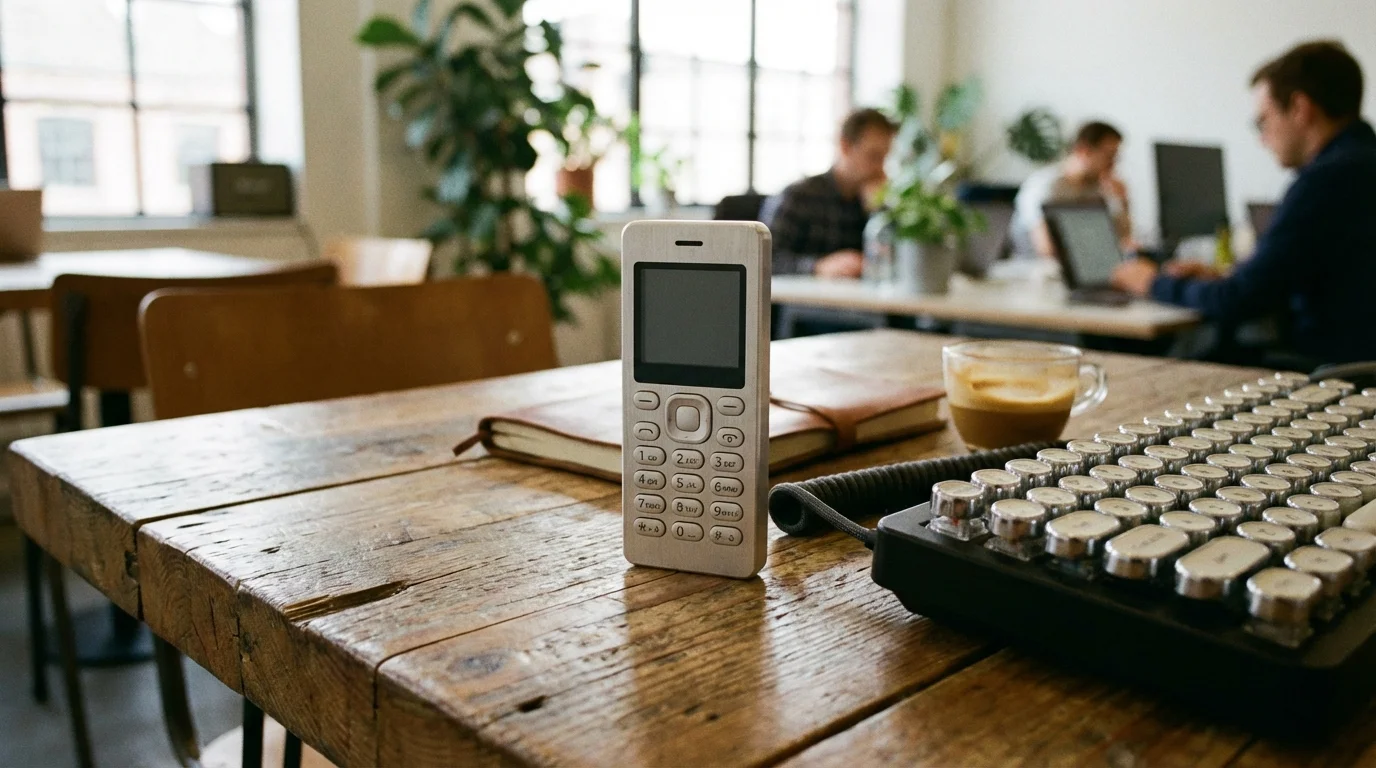
If you walk into a trendy coffee shop in Palo Alto today, you might notice a startling sight. Next to the $3,000 MacBook Pros sit tiny, e-ink devices or chunky, nostalgic flip phones. Tech workers understand better than anyone else the behavioral psychology embedded into modern smartphone apps. They know about intermittent variable rewards, friction-less infinite scrolls, and color psychology. Because they know how the sausage is made, they are choosing to become vegetarians.
Why 2024 is the Tipping Point
The push toward minimalist technology has been bubbling under the surface for years, but 2024 marks a distinct tipping point. Several converging factors have accelerated the dumb phone movement:
- The AI Overload: With generative AI being integrated into every single app, OS, and digital service, the smartphone has evolved from a tool into a proactive, sometimes overwhelming, companion. The desire for a device that simply “waits to be used” has never been stronger.
- The Remote Work Blur: Work-from-home culture erased the physical boundaries between the office and the living room. For many tech workers, the smartphone became the leash that allowed Slack, Teams, and Jira to invade Sunday mornings. Ditching the smartphone is a physical boundary-setting exercise.
- Peak Algorithmic Exhaustion: Social media algorithms have become aggressively hyper-optimized. Users are tired of consuming algorithmic “sludge” and crave intentional, slow consumption of information.
Defining the Modern Dumb Phone
When we talk about “dumb phones” in 2024, we aren’t necessarily talking about the ancient Nokia brick from the early 2000s—though those are seeing a resurgence. Today’s market is dominated by a new category: the “premium minimalist phone.”
Devices like the Light Phone II and the Punkt MP02 have gained cult followings. These devices strip away the app store, the web browser, and the color screen. They offer calling, texting, an alarm clock, and perhaps a basic podcast tool or hotspot capability. They are meticulously designed not to steal your attention but to respect it.
| Feature | Modern Smartphone | Premium Dumb Phone |
|---|---|---|
| Screen Time | Average 5-7 hours/day | Under 20 minutes/day |
| Battery Life | 12-24 hours | 3 to 7 days |
| Core Functions | Apps, Social, Camera, Web, AI | Calls, Texts, Hotspot, Alarms |
| Psychological Impact | High dopamine, anxiety-inducing | Calming, encourages presence |
The Neuroscience of the Switch
What happens to a tech worker’s brain when they lock their smartphone in a drawer and swap their SIM card into a minimalist device? The first week is generally characterized by withdrawal. The brain is accustomed to receiving quick hits of dopamine every few minutes—a quick check of an email, a scroll through X (formerly Twitter), or an Instagram like.
Neurologists note that this “phantom vibration syndrome” and twitchy habit of reaching into an empty pocket usually subsides after seven to ten days. Once the dopamine baseline resets, users report a profound shift in cognitive clarity. Attention spans elongate. Deep work becomes accessible without the Herculean effort of fighting off digital temptation. Books are read, hobbies are revisited, and sleep quality dramatically improves due to the elimination of blue light and doomscrolling before bed.
Navigating the Real World: The Friction and The Fixes
Of course, living without a smartphone in a smartphone-first world introduces friction. This is the biggest hurdle for tech workers who rely on digital infrastructure. How do you survive when menus are QR codes, banking requires apps, and work demands Two-Factor Authentication (2FA)?
Overcoming the 2FA Hurdle
For software engineers and IT professionals, 2FA is non-negotiable. The workaround? Many have transitioned to physical security keys like YubiKeys, or they run authenticator apps on a dedicated Wi-Fi-only iPad or an old, locked-down smartphone that never leaves their home office desk.
What About Navigation and Music?
The dumb phone movement isn’t about becoming a Luddite; it’s about intentionality. Many dumb phone users keep a dedicated GPS unit in their car. For music, standalone MP3 players, iPod classics, or dumb phones with built-in basic music players are making a massive comeback. If a smartphone is truly needed for an Uber or emergency maps, premium dumb phones usually feature 4G tethering. You can connect a Wi-Fi-only tablet or secondary device to your dumb phone’s hotspot—inserting just enough physical friction to stop mindless browsing.
Maximize Your Regained Focus
Now that you’ve eliminated digital distractions, naturally optimize your brainwaves for peak cognitive performance and deep work.
The 30-Day Dumb Phone Challenge
Are you feeling the digital burnout? The best way to understand the dumb phone movement is to try it. You don’t need to permanently throw away your expensive smartphone right now. Many in the tech industry start with a 30-day challenge.
Buy a cheap, unlocked feature phone. Forward your calls, or move your SIM card if it’s compatible. Inform your close friends, family, and colleagues that you will be slower to respond to asynchronous messages and that they should call you if it’s an emergency. For 30 days, leave the smartphone powered off in a drawer.
The results are often life-changing. Participants frequently report that they reclaim an astonishing 15 to 20 hours a week—time previously lost to the infinite scroll. More importantly, they reclaim their mental real estate. They find themselves looking out of windows on public transit, striking up conversations with strangers, and experiencing a profound sense of analog peace.
The Future of Intentional Tech
Will the dumb phone ever replace the smartphone? Unlikely. The utility of having a supercomputer in your pocket is undeniable. However, the dumb phone movement is forcing a conversation about hardware design and digital wellness. We are seeing a rise in “digital minimalist” launchers for Android, grayscale modes on iOS, and apps designed to lock you out of other apps.
The tech workers ditching their smartphones in 2024 are the canaries in the coal mine. They are signaling that the current trajectory of ubiquitous, attention-harvesting technology is unsustainable for human flourishing. By choosing “dumb” hardware, they are making a highly intelligent decision for their well-being.
Frequently Asked Questions (FAQ)
Can I still use WhatsApp or Signal on a dumb phone?
It depends on the device. Some modern feature phones, like those running KaiOS, have basic versions of WhatsApp. However, premium minimalist phones like the Light Phone II intentionally exclude these platforms to encourage standard SMS and voice calls. If secure messaging is vital, some users opt for “dumbed-down” Androids using parental control software rather than a true dumb phone.
How do employers feel about tech workers without smartphones?
Surprisingly, most employers are highly supportive. Since tech workers generally spend their days at a computer, they are fully accessible via Slack, email, and Zoom during working hours. Employers often notice an increase in the employee’s focus and productivity. As long as the employee manages their 2FA requirements for corporate logins, it rarely causes an issue.
Aren’t dumb phones basically e-waste?
Actually, premium dumb phones are designed to last much longer than smartphones. They don’t require heavy processing power, meaning they don’t become obsolete in two years due to software bloat. Furthermore, their batteries experience far fewer charge cycles, meaning a device can comfortably last 5 to 7 years without degradation.
What about taking photos?
This is a major trade-off. Dumb phone users often carry a dedicated point-and-shoot digital camera or a film camera. Many find that carrying a dedicated camera makes photography an intentional, artistic choice rather than a mindless documentation of every meal, leading to more meaningful photo albums.
Is a dumb phone cheaper?
A basic flip phone from a carrier can cost as little as $20. However, premium minimalist devices designed for modern networks (like the Punkt or Light Phone) range from $250 to $350. While the upfront cost of premium models is higher than expected, the long-term savings on cheaper cellular plans and the lack of app subscriptions or impulse internet purchases make them highly economical over time.