
 11
11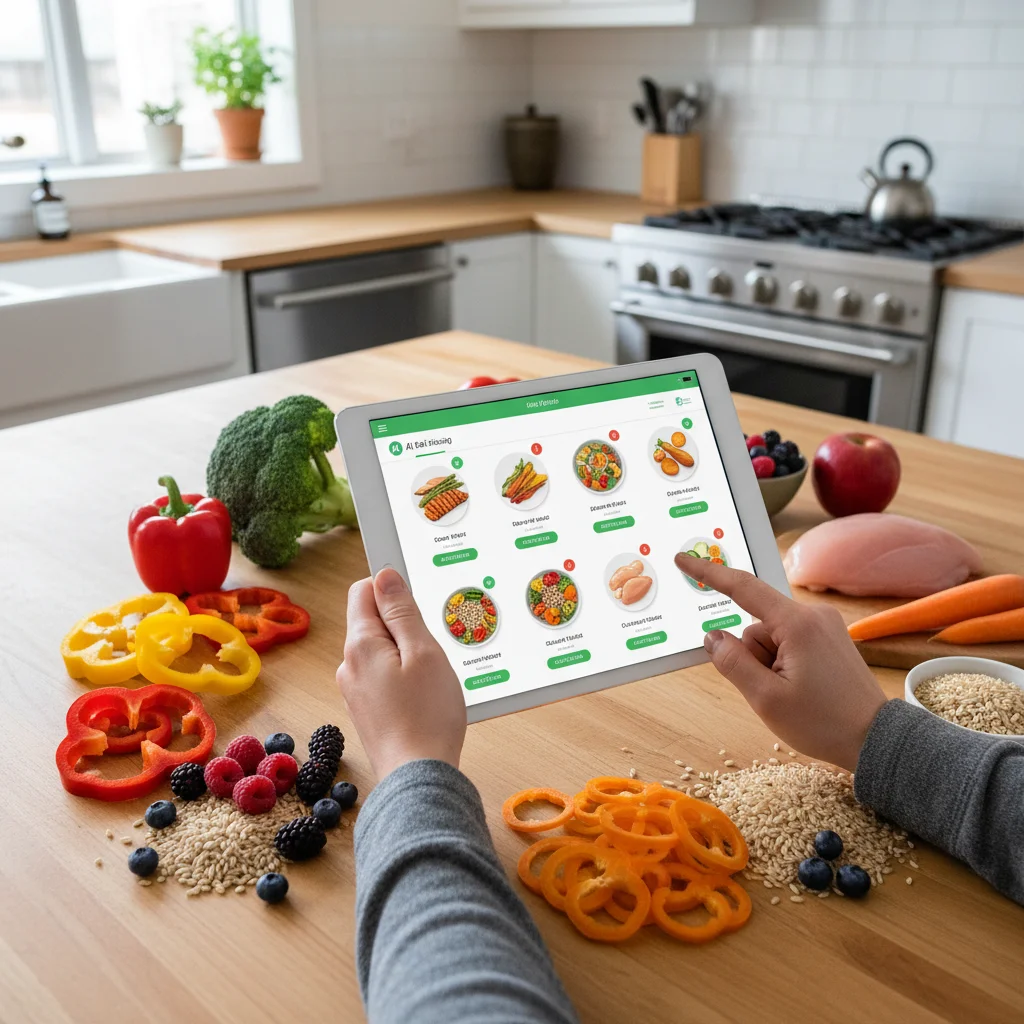
Let’s be honest. How many times this week have you stared blankly into your fridge, wondering what to make for dinner? Or worse, how many times have you given up and ordered takeout (again)? You’re not alone. Meal planning can feel like a monumental task, especially when you’re juggling work, family, and everything else life throws your way.
But what if I told you there’s a solution that can banish mealtime stress, help you eat healthier, and even save you money? Enter: AI-powered meal planning.
This isn’t some futuristic fantasy. AI meal planners are here, they’re readily available, and they’re incredibly effective. They’re changing the way people approach food, one delicious, personalized meal at a time. Intrigued? Let’s dive in and explore how AI can revolutionize your kitchen.
At its core, AI meal planning uses artificial intelligence algorithms to generate customized meal plans based on your specific needs and preferences. Think of it as having a personal nutritionist and chef in your pocket, ready to create delicious and healthy meals tailored just for you.
Here’s how it generally works:
Why should you ditch traditional meal planning and embrace the power of AI? Here are some compelling reasons:
Forget generic diet plans! AI tailors meals to your precise nutritional requirements, taking into account factors like age, activity level, and any health conditions you may have. This level of personalization is difficult to achieve with traditional methods.
Are you gluten-free, vegan, keto, or have other dietary restrictions? AI can effortlessly create meal plans that adhere to your specific needs. No more endless scrolling through recipe websites trying to find something you can actually eat!
Stuck in a culinary rut? AI can introduce you to new and exciting recipes you might never have discovered otherwise. It can push you outside your comfort zone and expand your culinary horizons.
Meal planning can be time-consuming and stressful. AI automates the entire process, freeing up your time and energy for other things. Say goodbye to last-minute dinner scrambles!
How often do you buy groceries only to have them go bad before you can use them? AI meal planners help you plan your meals in advance, ensuring that you only buy what you need. This reduces food waste and saves you money.
By planning your meals and creating a detailed grocery list, you’re less likely to make impulse purchases at the store. This can lead to significant savings on your grocery bill.
AI meal planners encourage you to eat more nutritious meals by providing balanced and varied meal options. They can also help you track your calorie intake and macronutrient ratios, making it easier to achieve your health goals.
With so many AI meal planners on the market, how do you choose the right one for you? Here are some key features to consider:
Here are a few popular AI meal planning apps and platforms to get you started (note: I cannot provide specific endorsements or current pricing information, as this changes frequently. Please research these options independently.):
Remember to research and compare different options to find the one that best suits your needs and budget.
Ready to give AI meal planning a try? Here’s a simple step-by-step guide:
AI is rapidly transforming the food industry, and AI meal planning is just the beginning. In the future, we can expect to see even more sophisticated AI-powered solutions that will personalize our food choices and help us eat healthier, more sustainably, and more efficiently. Imagine AI-powered grocery stores that recommend recipes based on the ingredients you have in your cart, or AI-powered restaurants that create customized meals based on your DNA! The possibilities are endless.
AI is not meant to replace the joy of cooking or the social experience of sharing a meal with loved ones. Instead, it is a tool that can empower us to make better food choices and simplify our lives. By embracing AI meal planning, we can take control of our health, save time and money, and discover new culinary adventures.
Let’s say you’re a busy professional with a gluten intolerance and a goal to eat healthier. You sign up for an AI meal planning app, input your dietary restriction, desired calorie intake, and indicate that you enjoy Mediterranean and Asian cuisine. The AI then generates a week-long meal plan which includes:
The app also provides you with a complete grocery list, saving you the time and effort of creating one yourself. You follow the recipes provided by the app, and at the end of the week, you feel healthier, more energized, and less stressed about meal planning.
While AI meal planning offers many benefits, it’s important to address some potential concerns:
A: No! While AI is fantastic for those with dietary needs, anyone can benefit from personalized meal plans, time-saving grocery lists, and discovering new recipes.
A: Calorie counts are generally accurate, but it’s always a good idea to double-check the nutritional information, especially if you’re using a free AI meal planner. Portion sizes can also impact calorie counts, so be mindful of how much you’re eating.
A: Absolutely! AI can accommodate picky eaters by allowing you to specify ingredients you dislike and cuisines you avoid. The more information you provide, the better the AI can tailor the meal plan to your preferences.
A: Prices vary. Some AI meal planners are free, while others offer premium subscriptions with additional features. Consider your budget and choose a planner that offers the features you need at a price you’re comfortable with.
A: Most AI meal planners allow you to easily swap out meals or customize the ingredients. You can also provide feedback to the AI so it can learn your preferences and avoid suggesting similar meals in the future.
A: Yes, AI meal planning can be a valuable tool for weight loss. By providing personalized meal plans that are tailored to your calorie goals and macronutrient ratios, AI can help you create a sustainable eating plan that supports weight loss.
A: Yes, AI meal planning can be sustainable in the long term if you choose a planner that learns from your feedback and adapts to your evolving needs and preferences. It’s also important to develop your own cooking skills and knowledge about nutrition so you don’t become overly reliant on AI.
A: Some AI meal planners have features that help you plan for leftovers, either by incorporating them into subsequent meals or suggesting creative ways to use them up. You can also manually adjust your meal plan to account for leftovers.
A: Yes, many AI meal planners allow you to create meal plans for multiple people, taking into account their individual dietary needs and preferences. This can be a huge time-saver for busy families.
A: Some potential downsides include data privacy concerns, the risk of over-reliance on AI, algorithm bias, and the cost of some AI meal planners. It’s important to be aware of these potential downsides and choose a planner that addresses them effectively.
AI meal planning is a powerful tool that can revolutionize the way you approach food. By embracing this technology, you can eat healthier, save time and money, and discover new culinary adventures. So, what are you waiting for? Give it a try and experience the future of food today!