
The Irony of the Ultimate Upgrade
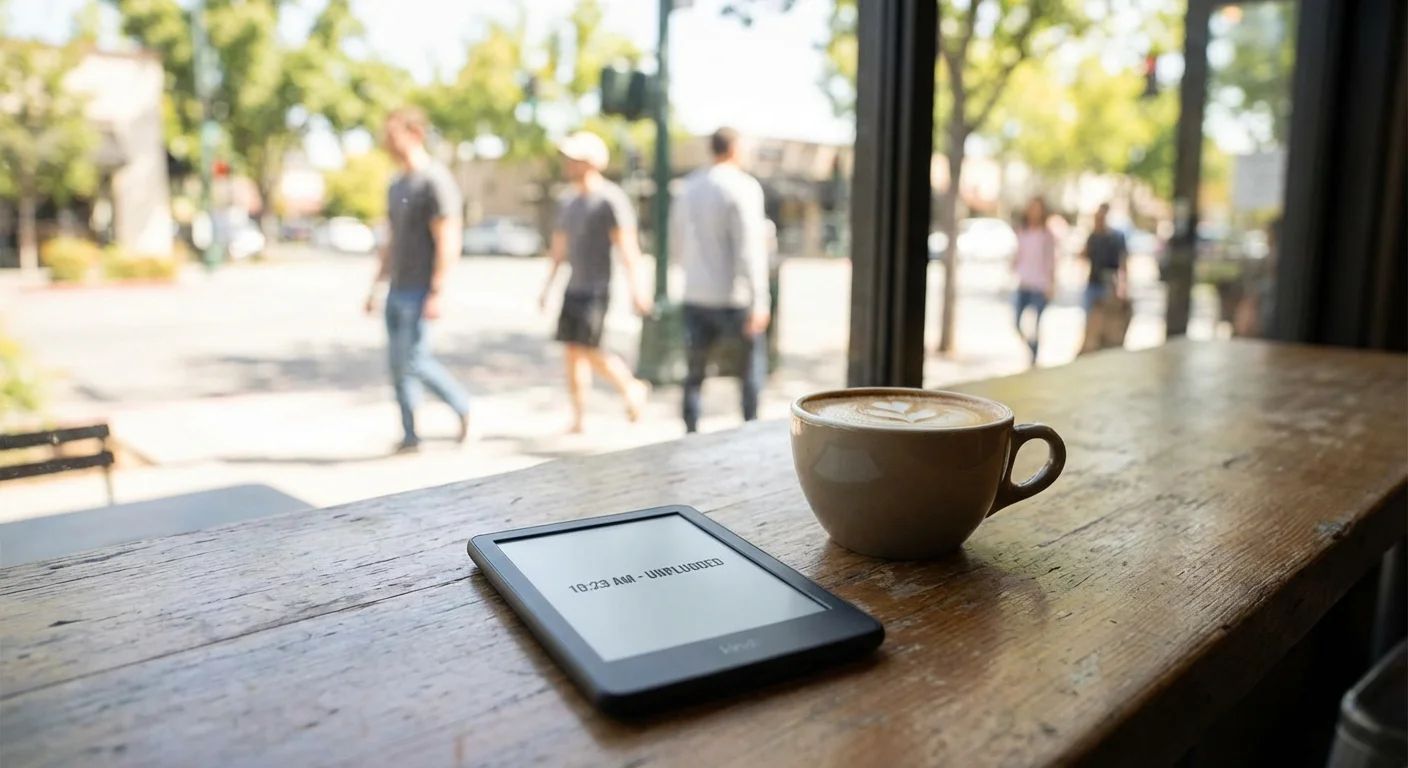
Picture a trendy, sun-drenched coffee shop in Palo Alto, California. A tech executive sits down, orders a seven-dollar oat milk flat white, and reaches into their pocket. Instead of pulling out the latest titanium-clad iPhone or a folding Android device, they place a small, matte-black, calculator-like device on the table. It has an e-ink screen. It doesn’t have a web browser. It can’t run Instagram, TikTok, or even email. It makes calls, sends texts, and perhaps sets an alarm.
This isn’t an isolated incident; it is a rapidly growing trend. The very architects of the attention economy—the engineers, founders, and venture capitalists who built the endless scroll—are increasingly opting out. The ‘dumb phone’ movement is taking over Silicon Valley, acting as a silent but powerful rebellion against the pervasive grip of hyper-connectivity. But why are the creators of these digital slot machines suddenly refusing to play their own game? And more importantly, how can the average person adopt this lifestyle without completely falling off the modern grid?
The Science of the Switch: Escaping the Dopamine Trap
To understand the dumb phone movement, we first have to understand what smartphones have done to our brains. Silicon Valley insiders know better than anyone that modern apps are not designed for utility; they are designed for extraction. They extract our time, our attention, and our data. They utilize the exact same psychological mechanisms found in casino slot machines—specifically, variable ratio reinforcement.
Every time you unlock your smartphone, you are pulling the lever. Will there be a new text? A cascade of likes on your latest post? A breaking news alert? This unpredictability spikes dopamine, compelling you to check your screen an average of 150 times a day. Over time, this constant context-switching fragments our attention spans, induces chronic low-grade anxiety, and leads to a phenomenon many describe as ‘brain fog.’
Tech workers, intimately familiar with the algorithms designed to hijack human psychology, are experiencing a collective awakening. They are realizing that their most valuable asset isn’t their cryptocurrency portfolio or their stock options; it is their undivided attention. By switching to a dumb phone (often rebranded as a ‘feature phone’ or ‘minimalist phone’), they are artificially restricting their access to these dopamine loops. The result? Reclaimed time, deeper focus, improved sleep, and a profound sense of presence that a smartphone actively destroys.
The Phantom Buzz and the Power of Boredom
One of the most profound benefits reported by those who make the switch is the return of boredom. In the smartphone era, we have eradicated the ‘in-between’ moments of life. Waiting in line at the grocery store, sitting on a bus, or waiting for a friend at a restaurant used to be moments of passive observation or daydreaming. Today, they are aggressively filled with algorithmic feeds.
Dumb phone users often report a challenging initial withdrawal phase—complete with the ‘phantom buzz’ where they feel a vibration that didn’t happen—followed by an incredible mental clarity. When you cannot distract yourself with a screen, you are forced to engage with your environment, process your thoughts, and ultimately, cultivate creativity.
Smartphones vs. Dumb Phones: A Quick Comparison
| Feature | Modern Smartphone | Minimalist ‘Dumb’ Phone |
|---|---|---|
| Primary Function | Entertainment & Consumption | Communication |
| Battery Life | 12-24 Hours | 3 to 7 Days |
| Dopamine Trigger | High (Endless Scroll, Notifications) | Low (Text and Voice only) |
| Average Daily Screen Time | 4 to 6 Hours | 20 to 30 Minutes |
| Mental Impact | Overstimulation, ‘Brain Fog’ | Enhanced Focus, Presence |
Supercharge Your Reclaimed Mental Clarity
Looking to maximize the incredible mental focus and creativity you will gain from a digital detox? Discover how to activate your brain’s natural theta waves for peak productivity.
How to Try the Dumb Phone Movement (Without Ruining Your Life)
The idea of throwing your iPhone into the ocean and buying a $20 flip phone sounds romantic, but in reality, modern society requires a certain level of connectivity. We need banking apps, two-factor authentication, rideshares, and digital maps. Here is how you can practically adopt the dumb phone lifestyle in stages.
Step 1: The ‘Dumbed-Down’ Smartphone (The Gateway)
If you aren’t ready to buy new hardware, you can turn your current device into a dumb phone. The goal is to make the phone a tool, not a toy. Start by deleting every single social media app, news app, and game. If an app features an infinite scroll, it must go. Next, turn off all non-human notifications. If a real person isn’t directly messaging you, your phone shouldn’t buzz. Finally, the ultimate hack: switch your phone’s color filter to Grayscale. You will be shocked at how unappealing Instagram and YouTube become when they are stripped of their vibrant, casino-like colors.
Step 2: The Weekend Warrior
If you want to experience true disconnection, purchase a relatively inexpensive dumb phone and swap your SIM card into it on Friday evening, swapping it back on Monday morning. This allows you to maintain peak professional connectivity during the workweek while reclaiming your weekends for family, hobbies, and genuine relaxation. You will quickly realize that almost no ’emergency’ on a Saturday requires an app to solve.
Step 3: The Full Transition
For the brave souls ready to go all-in, the strategy shifts. You use a minimalist phone as your daily driver for calls, texts, and maybe a hotspot. You then treat your smartphone or a small tablet like a desktop computer—it stays at home, plugged into the wall, or locked in the glovebox of your car. You use it intentionally for banking, ordering an Uber, or checking emails, but it never sits in your pocket, and it never comes to the dinner table.
Top Minimalist Phones for Your Digital Detox
If you are ready to make the jump, you don’t have to settle for a clunky 2004 flip phone. A whole new market of ‘premium minimalist’ devices has emerged.
- The Light Phone II: The darling of the Silicon Valley minimalist movement. It features a beautiful matte e-ink display. It intentionally lacks a browser and apps, offering only tools: calling, texting, an alarm, a calculator, a basic music player, and simple directions. It is designed to be used as little as possible.
- The Punkt MP02: Designed by Jasper Morrison, this phone is for the design-conscious user. It focuses heavily on high-quality voice calls and minimalist texting. It also features a 4G hotspot, meaning you can tether a tablet or laptop if you truly need to get work done on the go.
- Nokia 2780 Flip: For those looking for a budget-friendly entry point, the classic Nokia flip phone is still kicking. It brings a wave of early-2000s nostalgia, boasts incredible battery life, and costs a fraction of what a premium minimalist device runs.
Conclusion: Intentional, Not Anti-Tech
The dumb phone movement is not about being a Luddite or hating technology. Silicon Valley engineers still love tech; they just want technology that serves them, rather than technology that subjugates them. By intentionally choosing a device that limits what you can do, you are ironically expanding what you can experience in the real world. It is about taking the steering wheel back from the algorithm and choosing where you want your attention to go.
Frequently Asked Questions (FAQ)
What about WhatsApp and messaging apps?
This is a common hurdle, especially outside the US where WhatsApp is the default. Some modern feature phones run an operating system called KaiOS, which supports a stripped-down version of WhatsApp, allowing you to stay connected with family groups without the distraction of a full smartphone.
How do I navigate without Google Maps?
Devices like the Light Phone II offer a basic, text-based navigation tool that gives you turn-by-turn directions without the bloated interface. Alternatively, many dumb phone users keep a dedicated GPS device in their car, or simply rely on printing directions or asking locals—a lost art of human interaction!
What if I need an Uber or Lyft?
If you fully transition to a dumb phone, ridesharing can be tricky. A common workaround is to carry your smartphone in your bag without a SIM card, using your dumb phone’s Wi-Fi hotspot to connect the smartphone only when you need to call a ride. Once the ride is booked, the smartphone goes back in the bag.
How will I take photos?
Most dumb phones have terrible cameras or no camera at all. This forces a wonderful shift: users often buy a dedicated point-and-shoot digital camera or a 35mm film camera. Because you have a dedicated device, you take fewer, but significantly more intentional and meaningful photos, rather than snapping 50 identical pictures of your lunch.
Is a dumb phone secure?
Generally, dumb phones are less susceptible to the vast majority of malware, spyware, and phishing attacks simply because they do not have web browsers or complex operating systems that can execute malicious code. However, standard SMS text messaging is still unencrypted, so it shouldn’t be used for highly sensitive information.