
 11
11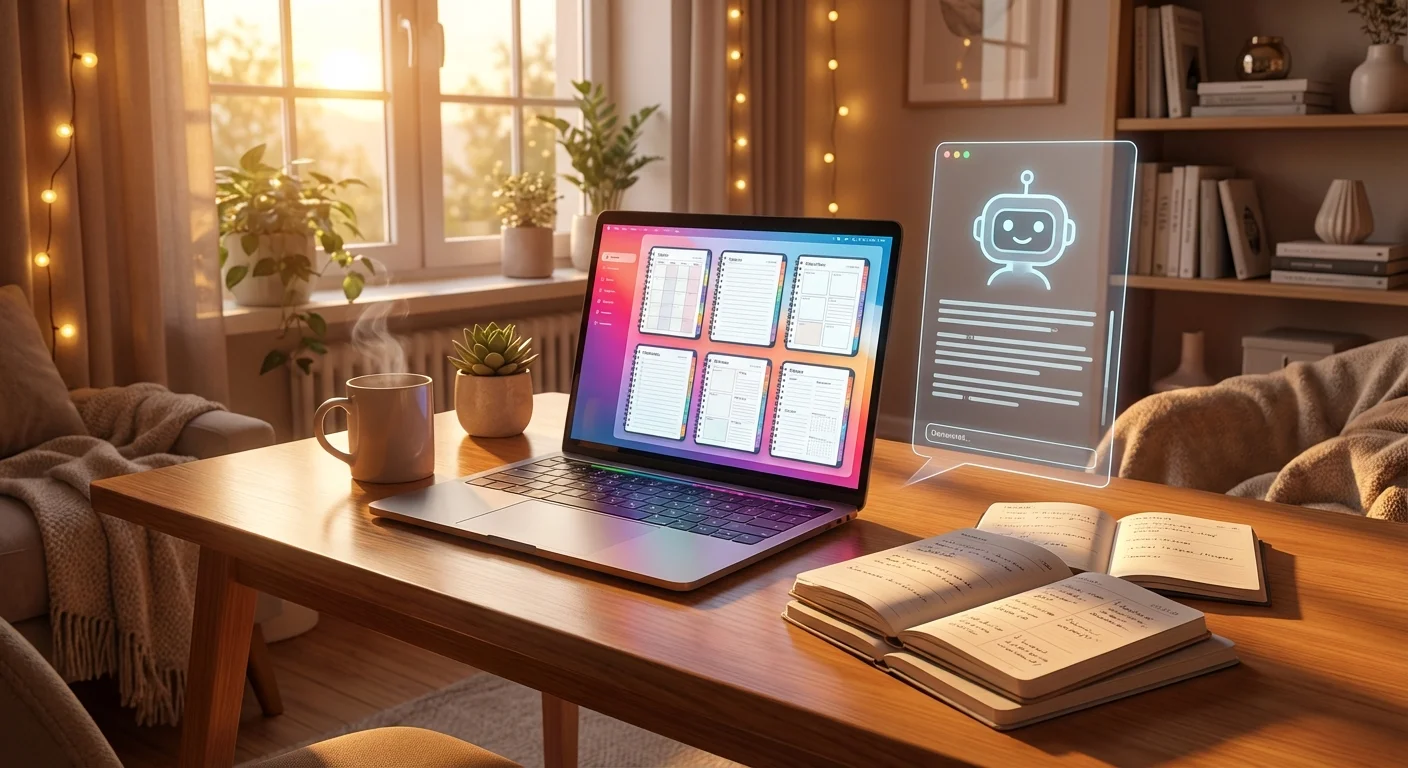
We all dream of that elusive “passive income”—waking up to notifications on our phones saying we’ve made money while we were sleeping. But for the longest time, I thought you needed thousands of dollars to start, or a degree in computer science to build an app, or a massive following on social media. I was completely wrong. In fact, I built a system that currently generates over $500 every single month, and all it took was a laptop, an internet connection, and two powerful tools: ChatGPT and Canva.
Before we dive into the nitty-gritty details, let’s establish what this income stream actually is. I am not trading crypto, I am not dropshipping physical products from overseas, and I am not writing complex software. Instead, I am creating and selling highly targeted digital printables and digital planners on platforms like Etsy and Gumroad. The beauty of digital products is that you only have to create them once, and they can be sold an infinite number of times with zero inventory or shipping costs. The problem most people face is that designing these products and writing the content takes hours, if not days. That is exactly where ChatGPT and Canva come in to completely automate the heavy lifting.
The biggest mistake beginners make is creating generic products like a “Daily Planner.” The market is completely saturated. To succeed, you need to find micro-niches—specific problems for specific people. Instead of guessing, I handed the market research phase entirely over to ChatGPT. I started by using this exact prompt:
“Act as an expert Etsy market researcher. Identify 10 highly specific, low-competition, high-demand micro-niches for digital printables. Focus on niches related to productivity, neurodivergence, niche hobbies, or specific professional organizations. Explain why each niche is profitable.”
ChatGPT spat out incredible ideas that I would have never thought of on my own. It suggested things like “ADHD cleaning schedules,” “Garden seed tracking logs,” and “Language learning flashcards for medical students.” I eventually settled on ADHD Productivity Workbooks. The audience was highly engaged, desperately looking for solutions tailored to their specific brain wiring, and the competition was surprisingly low compared to general planners.
Here is a breakdown of the top niches ChatGPT analyzed for me during my initial research phase:
| Niche Idea | Target Audience | Competition Level | Estimated Demand |
|---|---|---|---|
| ADHD Productivity Workbooks | Neurodivergent adults | Low to Medium | Very High |
| Garden Seed Tracking Logs | Homesteaders & Hobbyists | Very Low | Medium |
| Medical Student Study Planners | Med Students / Nurses | Medium | High |
| Pet Sitter Information Binders | Pet Owners & Sitters | Low | Medium |
Once I had my niche, I needed the actual content for my 30-page ADHD Productivity Workbook. Writing this from scratch would have taken me weeks of research and drafting. Instead, I turned back to ChatGPT. I didn’t just ask it to “write a planner.” I gave it a specific, structured prompt to ensure the output was genuinely helpful and high-quality.
“I am creating a 30-page ADHD-friendly daily productivity workbook. Act as an expert in neurodivergent organization. Please provide a detailed outline for all 30 pages. Then, write the specific text, prompts, and exercises for the first 10 pages. Ensure the tone is encouraging, and the tasks are broken down into micro-steps to prevent overwhelm.”
Within seconds, ChatGPT generated a brilliant outline. It included pages for “Dopamine Menus,” “Brain Dump Matrices,” “Time Blindness Trackers,” and “Micro-Step Task Breakdown Sheets.” Once the outline was approved, I asked ChatGPT to generate the specific text for every single page. I now had the entire intellectual property for my product sitting in a Google Doc, created in under 30 minutes.
Content without presentation is practically useless in the digital product space. People buy with their eyes. So, I took my ChatGPT-generated text and moved over to Canva. While Canva has a paid “Pro” tier, you can entirely start this business using their free version. I started by searching for “A4 Document” templates in Canva to get the right dimensions.
I didn’t just copy a template exactly as is—that’s a quick way to get your store flagged for copyright issues. Instead, I used Canva’s vast library of free elements, fonts, and colors to build a minimalist, low-distraction design perfectly suited for my ADHD target audience. The real magic happened when I utilized Canva’s “Bulk Create” feature.
With my PDF workbook downloaded from Canva, it was time to sell. I chose to list my products on both Etsy and Gumroad. Etsy is fantastic because it already has millions of buyers searching for products. Gumroad is great for driving your own traffic via social media. Once again, ChatGPT was my secret weapon for setting up the listings.
I asked ChatGPT to write my product titles, tags, and descriptions optimized for Etsy SEO. I used a prompt like: “Write an engaging, SEO-optimized product description for an ADHD Productivity Workbook. Include bullet points of the features, and use keywords like ‘ADHD planner’, ‘neurodivergent tools’, and ‘executive dysfunction aid’.” It wrote a compelling, emotionally resonant description that immediately connected with buyers. I uploaded my PDF file, set the price at $9.99, and hit publish.
Unlock 100+ specialized AI Assistants to automate your content, scale your digital product business, and multiply your earnings effortlessly.
If you build it, they won’t necessarily come. You have to drive traffic. Since I didn’t want to spend money on ads, I turned to Pinterest, which functions more like a visual search engine than a social media platform. Pins last for months, sometimes years, continuing to drive free traffic to your storefront.
Using Canva, I created eye-catching Pinterest pins featuring mockups of my workbook. (Pro tip: search “iPad mockup” or “binder mockup” in Canva to make your digital files look like physical objects). I generated 15 different pin designs. Then, I went back to ChatGPT and asked it to generate 15 click-worthy Pinterest titles and SEO-rich pin descriptions. I used a free Pinterest scheduling tool to automatically post one pin a day. Within a few weeks, one of my pins went semi-viral, driving hundreds of highly targeted clicks to my Etsy store.
I want to be completely transparent: “passive income” is a bit of a misnomer. The income I make now is passive, but the initial setup was intensely active. It took me a full weekend to research, generate, design, list, and market my first product. But once the system was built, the maintenance dropped to near zero. I now spend maybe one hour a week answering customer messages or tweaking my Pinterest strategy. The $500 a month I earn from this single product line pays for my car lease and my groceries, and it all runs in the background of my life.
If you are willing to invest a weekend of focused effort into learning how to prompt ChatGPT effectively and navigating Canva’s design tools, you can build a digital asset that pays you royalties for years to come. Start small, focus on solving a specific problem for a specific group of people, and let the AI tools do the heavy lifting.
No, you absolutely do not. I started my entire business using the free version of ChatGPT (GPT-3.5 at the time) and the free version of Canva. As your store grows and you start making a profit, you can choose to reinvest into Canva Pro for better graphics or ChatGPT Plus for more advanced reasoning, but it is not a requirement to start.
Broad markets are saturated. If you try to sell a basic “2024 Calendar,” you will fail. The key to this method is using AI to find hyper-specific micro-niches. There is always room for a highly targeted product that solves a unique problem better than the generic alternatives.
Content generated by AI is generally considered public domain and is safe to use for commercial purposes. However, you should always review the output to ensure ChatGPT didn’t accidentally plagiarize existing copyrighted material. Always add your own human touch, edit the output for tone, and never copy someone else’s brand name or trademark.
It varies wildly. I got my first sale within 48 hours because I drove traffic via Pinterest. If you rely solely on Etsy’s organic search, it might take a few weeks for the algorithm to index your product and show it to buyers. Consistency in listing new products and pinning them online is the secret to speeding up the process.
Very rarely. Platforms like Etsy and Gumroad automatically email the buyer the PDF file the second their payment clears. The only customer service you generally have to provide is helping the occasional person who doesn’t know how to unzip a folder or find their download link.