 11
11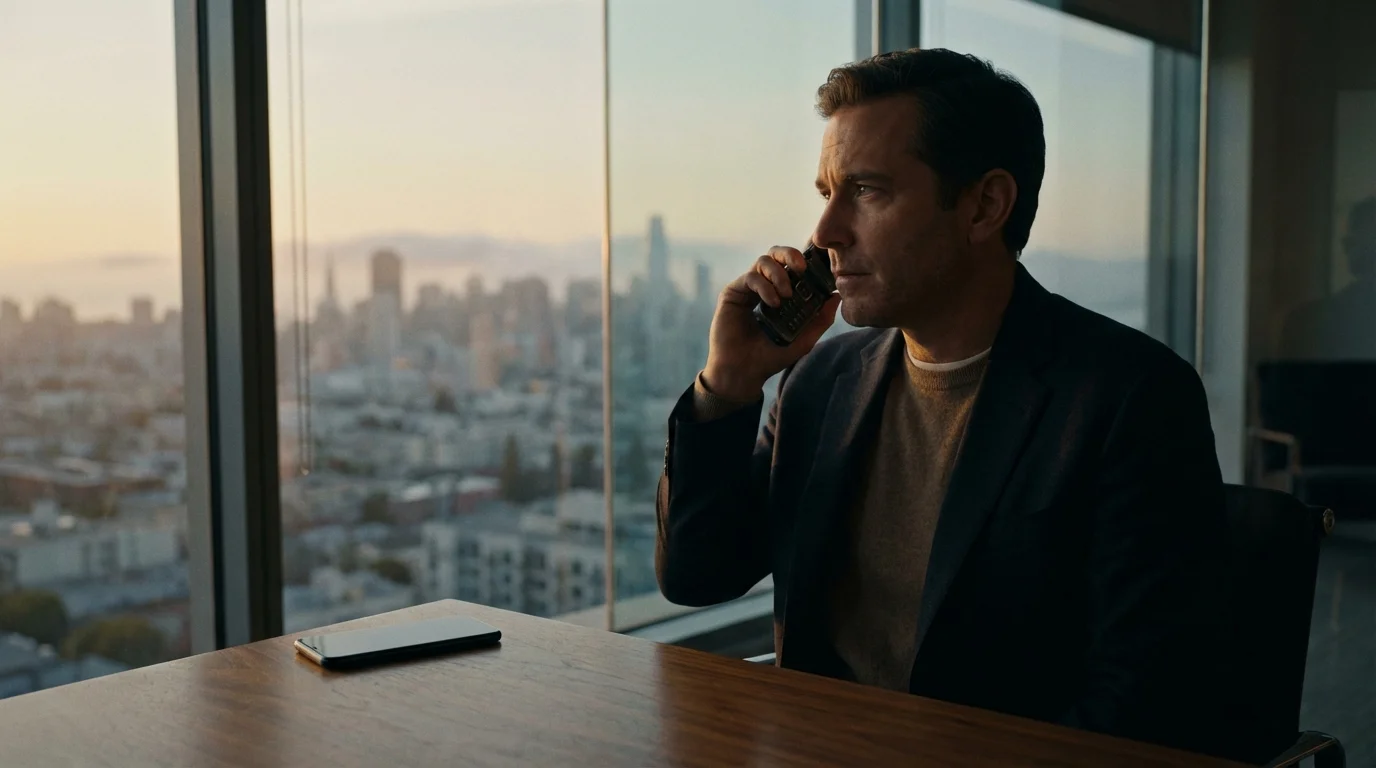
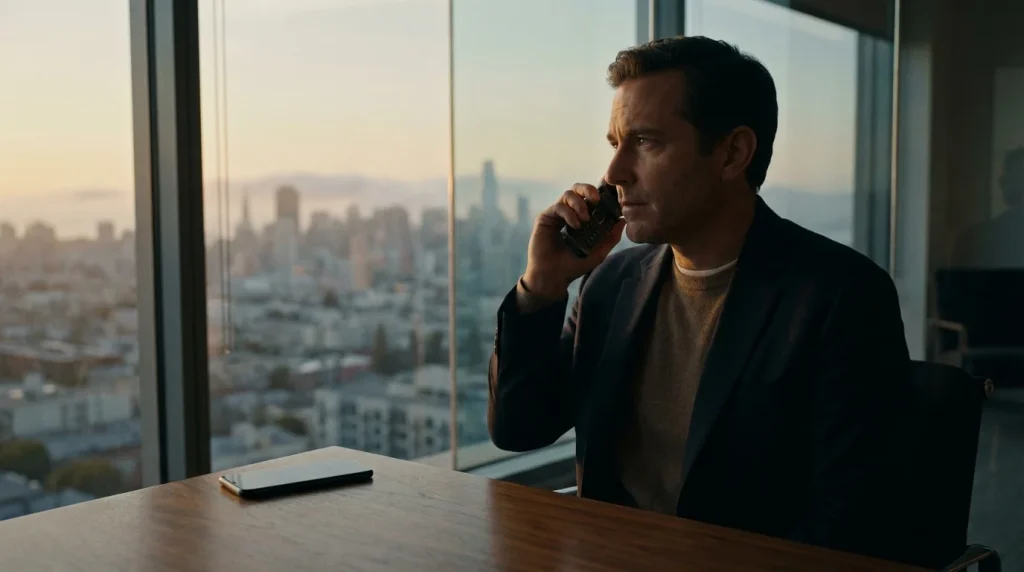
Picture this: You are sitting in a high-stakes board meeting in San Francisco. The CEO of a massive tech conglomerate walks in, wearing a casual designer sweater that costs more than your car. The meeting is about to start, and to check the time, he reaches into his pocket. But instead of pulling out the latest titanium iPhone 15 Pro Max or a foldable Samsung Galaxy, he pulls out a clunky, minimalist $50 flip phone. No glowing touchscreen. No push notifications. No apps.
This isn’t a hypothetical scenario. Across Silicon Valley and the broader global tech landscape, an ironic and fascinating trend is taking root in 2024: the architects of our hyper-connected digital world are intentionally disconnecting. They are leaving their flagship smartphones behind and joining what is now widely known as the Dumb Phone Movement.
But what do the creators of these addictive algorithms know that we don’t? Why are the world’s most productive, high-net-worth individuals voluntarily handicapping their own technological capabilities? If you have ever felt overwhelmed by your screen time or suffered from digital burnout, the reasons behind this executive shift might just change the way you interact with technology forever.
For over a decade, the smartphone was the ultimate status symbol. Having the newest device signaled that you were at the cutting edge of productivity and social connectivity. However, as we move deeper into 2024, the narrative has drastically shifted. The smartphone is no longer viewed as a tool of ultimate liberation; for many top executives, it is increasingly seen as a digital leash.
Tech executives understand better than anyone else how modern apps are engineered. They know that social media platforms, news aggregators, and even email clients are designed using the exact same psychological principles as casino slot machines. Every vibration, every red badge, and every infinite scroll is meticulously crafted to hijack the brain’s dopamine pathways. When you are a CEO trying to steer a multi-billion-dollar company, a hijacked brain is an expensive liability.
We are seeing a profound realization among the elite: true luxury in the modern age isn’t about being constantly reachable; it is about having the power to be unreachable.
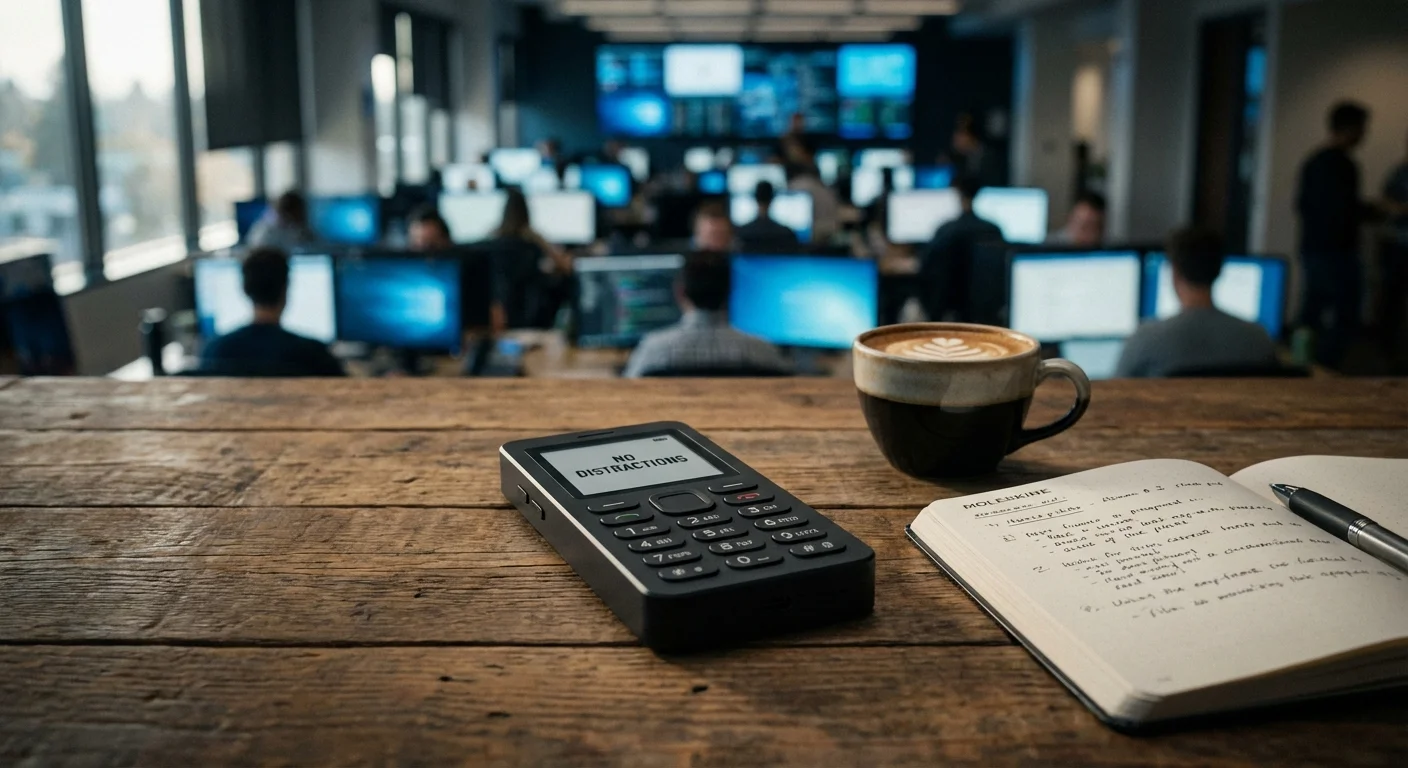
The Dumb Phone Movement is a growing lifestyle shift aimed at digital minimalism. It involves swapping out highly capable, distraction-heavy smartphones for basic cellular devices. These devices typically only handle calls, SMS texts, and perhaps basic tools like a calculator or a calendar.
While some purists are buying vintage Nokia brick phones from eBay, a new cottage industry has sprung up to serve wealthy professionals who want ‘premium’ dumb phones. Devices like the Light Phone II and the Punkt MP02 are leading the charge. These aren’t your grandfather’s flip phones. They feature sleek, minimalist industrial designs crafted by top-tier designers, utilize e-ink displays to reduce eye strain, and intentionally lack app stores.
You might wonder how someone running a global business can possibly survive without a smartphone. The truth is, ditching the smartphone provides executives with a massive competitive advantage. Here are the core reasons why the elite are making the switch.
Coined by author Cal Newport, ‘Deep Work’ is the ability to focus without distraction on a cognitively demanding task. Smartphones are the ultimate enemy of deep work. A study by the University of California, Irvine, found that it takes an average of 23 minutes and 15 seconds to return to the original task after an interruption. By using a dumb phone, executives eliminate the constant pinging of Slack messages, emails, and news alerts. This allows them to engage in long, uninterrupted blocks of strategic thinking, which is where true value is created in business.
Chronic smartphone usage leads to a baseline of elevated stress and anxiety. The constant barrage of information fragments our attention span. Tech executives are realizing that to maintain peak mental performance, they need to protect their dopamine receptors. Swapping to a dumb phone forces the brain to adapt to lower levels of stimulation. Within weeks, users report massive reductions in brain fog, better sleep, and a restored ability to read physical books and concentrate for hours.
In 2024, data is the most valuable asset on earth. The irony is that the people who build data-harvesting machines are the most terrified of them. Smartphones are essentially pocket-sized tracking devices that monitor location, purchasing habits, listening history, and daily routines. Basic phones run on proprietary, closed systems without the background tracking scripts of iOS or Android. For high-profile individuals, this level of privacy is non-negotiable.
| Feature | Flagship Smartphone | Premium Dumb Phone |
|---|---|---|
| Average Daily Screen Time | 4.5 to 7 Hours | 15 to 30 Minutes |
| Battery Life | 12 to 24 Hours | 3 to 7 Days |
| Distraction Level | Extremely High | Zero |
| Primary Function | Entertainment & Consumption | Intentional Communication |
| Privacy Risk | High (Constant background tracking) | Low (Minimal data points) |
It is easy to romanticize a life without a smartphone, but how do these executives navigate the modern world? How do they board flights, pay for coffee, or navigate to a new restaurant?
The secret is intentional friction and delegation.
First, many executives treat their internet usage like a destination rather than a constant state of being. They still use powerful laptops and tablets, but they leave them in their bags or at their desks. When they need to answer emails, they do it intentionally during a designated 60-minute block on a laptop, rather than constantly checking their phone in line at the grocery store.
For daily logistics, they revert to single-purpose tools. They use a dedicated Garmin or TomTom device for car navigation. They carry physical credit cards instead of Apple Pay. They use standalone MP3 players or iPods for music. For boarding passes, they print them out or have their assistants handle the logistics. The minor inconvenience of carrying a physical credit card or printing a ticket is a tiny price to pay for gaining back 4 hours of your life every single day.
If you are struggling with smartphone-induced brain fog but aren’t quite ready to switch to a flip phone, discover how to activate your brain’s natural state of flow and laser-focus using advanced brainwave optimization.
You don’t need a multi-million dollar salary to benefit from the dumb phone movement. If you find yourself doom-scrolling before bed, feeling phantom vibrations in your pocket, or feeling a sense of dread when looking at your screen time report, it might be time for an experiment.
You don’t have to go cold turkey immediately. Consider a ‘digital sabbath’ where you turn off your smartphone from Friday night to Sunday morning. Or, buy a cheap $20 pre-paid flip phone and use it exclusively on weekends or during date nights. By creating a physical barrier between yourself and the endless noise of the internet, you force yourself to be present in the real world.
The tech executives of Silicon Valley have already peered behind the curtain. They know that the ultimate luxury isn’t having the world at your fingertips—it’s having the freedom to let your mind wander.
If you want a premium experience, the Light Phone II and Punkt MP02 are the top choices for professionals, offering beautiful design with zero distractions. If you are on a budget, the Nokia 2720 Flip or the Nokia 2660 offer excellent retro experiences for under $100.
It depends on the model. True dumb phones (like older Nokias) do not support modern apps. However, ‘feature phones’ running KaiOS often have stripped-down versions of WhatsApp and Google Maps. The Light Phone II recently added a simple podcast tool and music player, but strictly avoids messaging apps outside of standard SMS.
Absolutely. Most real business is done via email, Slack, or Zoom—all of which are better suited for a laptop. By moving your communication to a laptop, you treat it as focused work rather than an ongoing, all-day distraction. Many executives find their teams actually respect their boundaries more when they realize the boss isn’t available 24/7 via text.
You have a few options. Many dumb phone users keep a dedicated GPS unit in their car. Others look up directions on their laptop before leaving the house and write them down on a sticky note. Some ‘premium’ minimalist phones also offer extremely basic text-based directional routing.
This is a major concern for many. The solution is usually buying a dedicated point-and-shoot digital camera. Not only does this solve the problem, but it often results in higher quality, more intentional photography rather than thousands of meaningless snaps sitting in a digital cloud.