
 11
11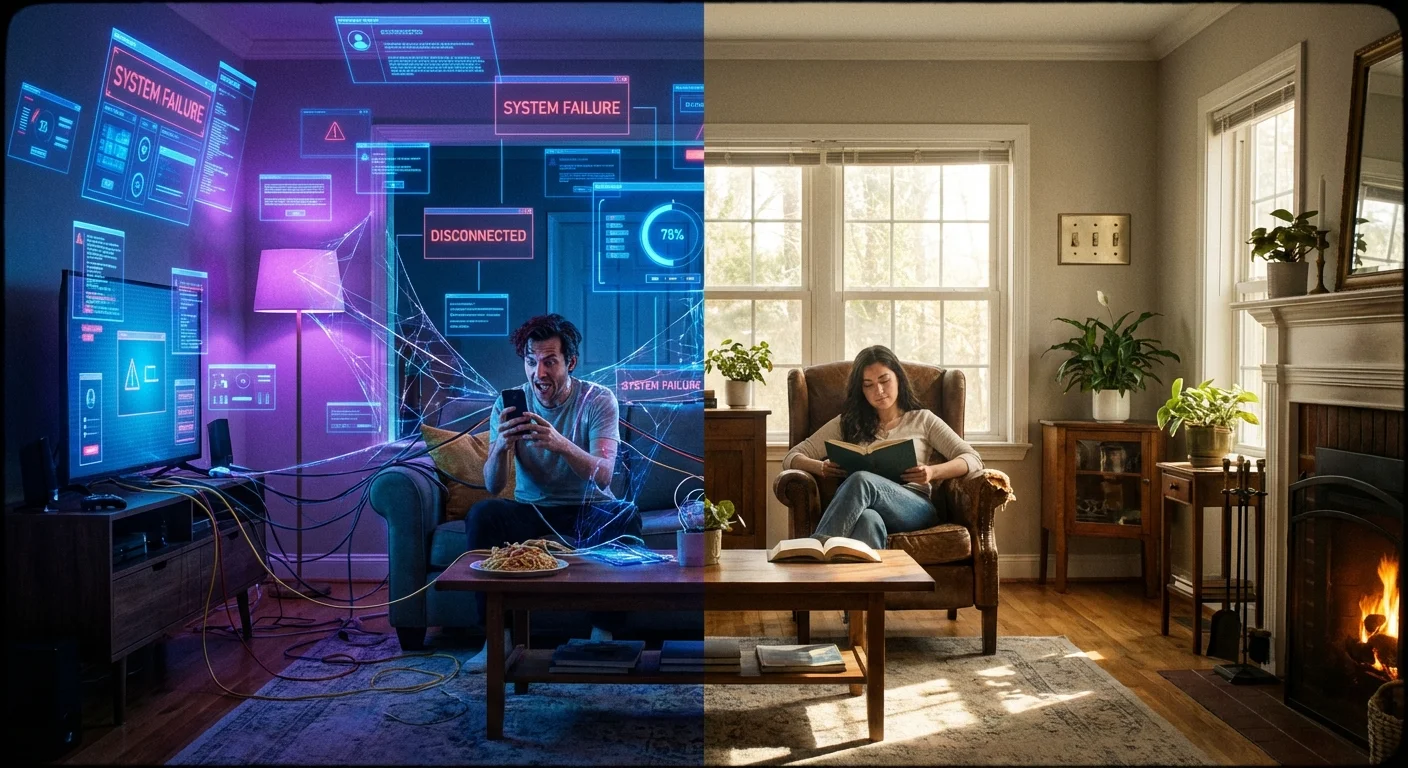
It was 2:14 AM on a chilly Tuesday. I woke up with a parched throat and stumbled into the kitchen, expecting my expensive motion sensors to cast a gentle, 10% brightness warm-white glow. Instead, the kitchen remained pitch black. ‘Hey Google, turn on the kitchen lights,’ I whispered. Nothing. ‘Hey Google, turn on the kitchen lights!’ I repeated, slightly louder, feeling ridiculous. A colorful light ring spun lazily, followed by the dreaded, overly cheerful response: ‘I’m having trouble connecting to the internet right now. Please check your router.’ I ended up using my smartphone’s blinding flashlight, stubbing my toe on the kitchen island, and questioning every life choice that had led me to this frustrating moment.
This wasn’t an isolated incident. My Wi-Fi connected deadbolt sometimes took thirty seconds to recognize my phone, leaving me standing in the rain. My smart thermostat decided that it knew my thermal preferences better than I did, plunging the house into freezing temperatures to ‘save energy’ while I was huddled under three blankets. My smart TV served me intrusive ads on the home screen, and my smart speakers felt like digital spies eavesdropping on my family’s private conversations. The convenience I was promised had mutated into a labyrinth of app updates, subscription fees, and troubleshooting. I had reached my breaking point. The next morning, I made a radical decision: I was going to strip the ‘smart’ out of my home. I was going to build a Dumb House.
A decade ago, the tech industry sold us a utopian vision of the future. We were told that our homes would anticipate our needs, seamlessly orchestrating our lives while we relaxed. Appliances would talk to each other, grocery lists would write themselves, and our carbon footprint would shrink magically. However, reality has proven to be drastically different. Instead of the Jetsons’ streamlined utopia, we got a fragmented, glitchy, and expensive ecosystem. The anti-smart home movement isn’t just a group of grumpy Luddites clinging to the past; it is a rapidly growing demographic of exhausted tech enthusiasts who are reclaiming their autonomy. Here is why this movement is exploding in popularity across the globe.
When you buy a standard mechanical door lock, you pay for it once. It works for decades. When you buy a smart lock or a smart doorbell, the initial purchase price is just the down payment. Tech companies have realized that hardware is a one-time revenue stream, but software subscriptions offer endless profits. Suddenly, basic features of the devices we already own are being hidden behind paywalls. Want your smart camera to actually record video instead of just sending you a useless motion alert? That will be $10 a month. Want your smart alarm to integrate with your phone? Another monthly fee. The modern smart home is bleeding consumers dry through a phenomenon known as ‘subscription fatigue.’ People are tired of paying a monthly rent just to fully utilize the electronics installed inside their own walls.
Our homes are supposed to be our ultimate sanctuaries, the one place where we are free from the watchful eye of the outside world. Smart home technology has entirely compromised this sanctity. Smart TVs are equipped with Automatic Content Recognition (ACR) that tracks every single frame of video you watch to sell targeted ads. Voice assistants routinely record snippets of audio that are sometimes reviewed by human contractors to ‘improve algorithms.’ Robot vacuums map the exact floor plan of your house, and smart thermostats track when you are home and when you are away. All of this highly sensitive data is stored on remote servers, susceptible to data breaches, hacker intrusions, and corporate monetization. The anti-smart home movement fundamentally rejects the idea that our personal living habits should be commodified by Silicon Valley.
A traditional light switch can last fifty years without breaking a sweat. A smart light switch relies on a companion app, a cloud server, and Wi-Fi compatibility. If the manufacturer decides to pivot their business model, goes bankrupt, or simply stops supporting the older firmware, your expensive smart switch becomes a useless piece of plastic embedded in your wall. We’ve seen this happen repeatedly: companies like Google and Sonos have deliberately bricked perfectly functional older devices to force consumers into buying the newest models. This forced obsolescence doesn’t just empty our wallets; it creates a massive global e-waste crisis. By reverting to ‘dumb’ appliances, we are investing in durability and sustainability over fleeting technological novelty.
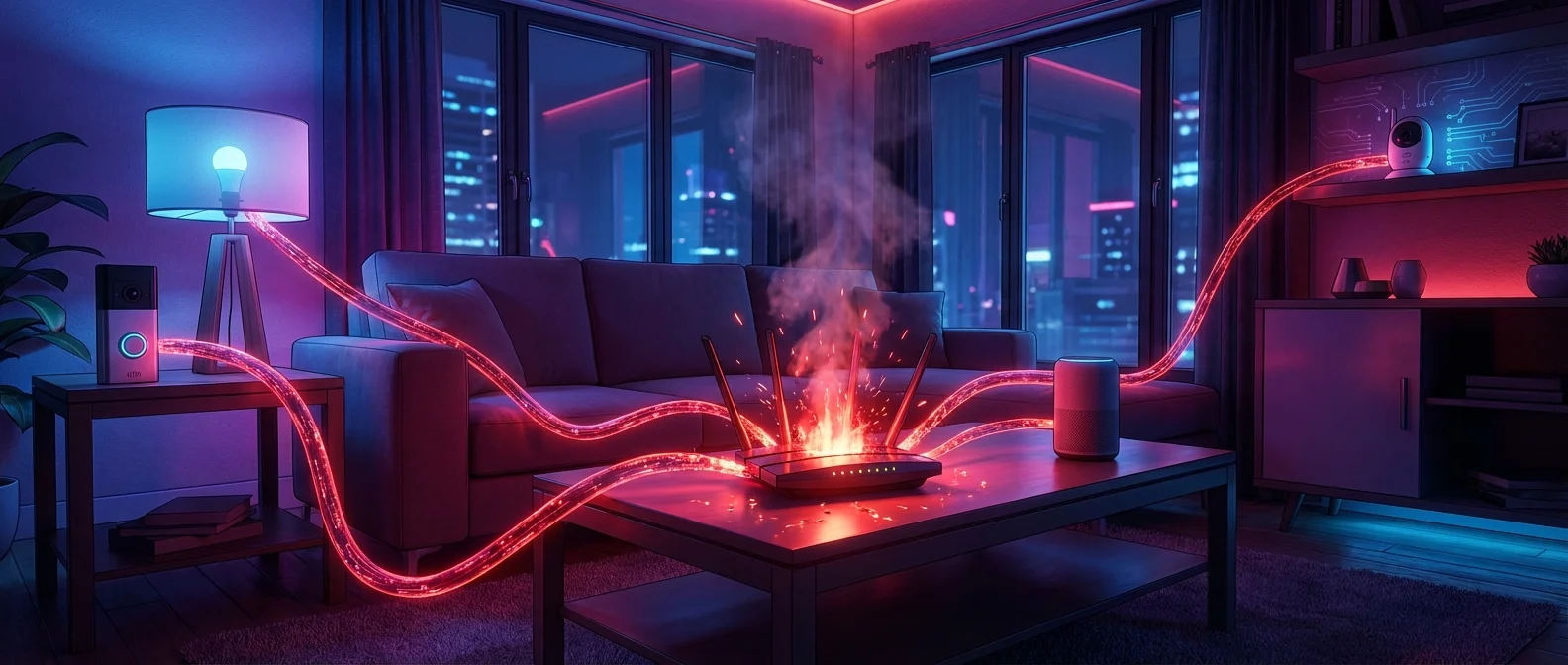
Try explaining to an elderly houseguest or a babysitter how to turn on a smart shower or adjust the lights using a specific app on an iPad mounted to the wall. It is an absolute nightmare. The smartest homes often require a dedicated IT manager just to keep things running smoothly. When the router needs restarting, the entire house goes offline. By digitizing basic mechanical actions, we have introduced unnecessary points of failure into our daily routines. Life is complicated enough without having to troubleshoot the firmware of your refrigerator.
Dumbing down my house wasn’t an overnight process, but every step felt like shedding a massive weight. I started with the most annoying aspects and worked my way down to the foundational elements of the house.
The first things to go were the smart bulbs. I unscrewed dozens of expensive, color-changing LEDs and replaced them with high-quality, warm-dimming standard LED bulbs. I replaced the Wi-Fi connected wall switches with beautiful, tactile dimmer switches. The result? Instantaneous light. No lag. No Wi-Fi dependencies. Anyone walking into the room instinctively knew how to operate the lights. The satisfaction of flipping a physical, mechanical switch is something I didn’t realize I had missed so deeply.
Next, I uninstalled my learning thermostat. It was constantly trying to outsmart me, entering ‘Eco Mode’ at the worst possible times. I replaced it with a high-quality, programmable but non-connected thermostat. I spent ten minutes programming my weekly schedule into it on day one, and I haven’t had to touch it since. It reliably heats and cools my home without collecting a single data point on my family’s whereabouts.
Unplugging the voice assistants was the most liberating step. For the first few days, there was a phantom urge to shout commands into the void to set a kitchen timer or check the weather. But I quickly adapted. I bought a cheap, magnetic digital timer for the kitchen fridge. I started looking out the window or checking my phone for the weather. The ambient anxiety of feeling like there was an open microphone in my living room instantly vanished. The house felt quiet, private, and truly mine again.
Tired of tech complicating your living room? Keep the AI where it belongs—working relentlessly to grow your income. Automate your online business with this exclusive 100+ AI Assistants Bundle.
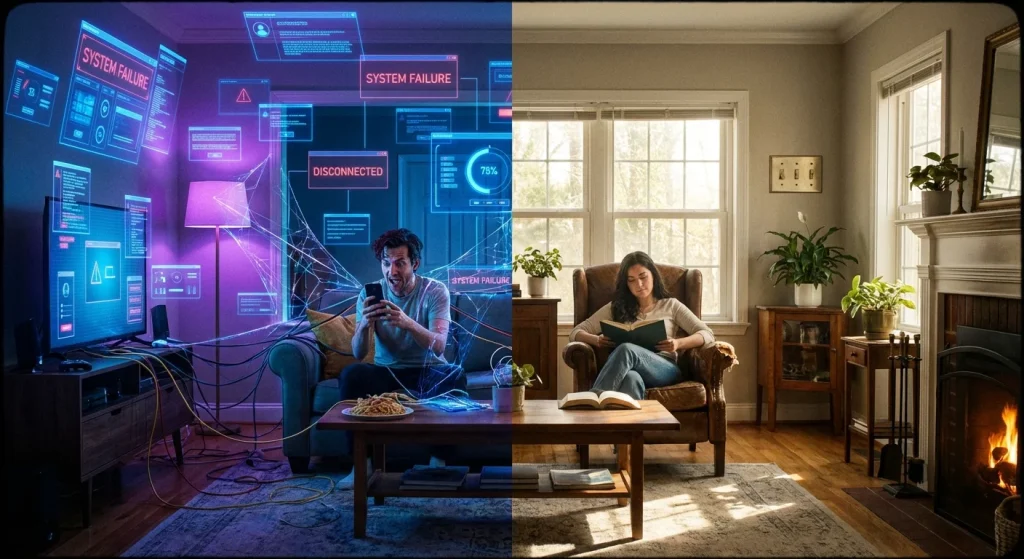
If you are on the fence about joining the anti-smart home movement, here is a clear comparison of what you stand to gain and lose by making the switch.
| Feature | The Smart Home | The Dumb Home |
|---|---|---|
| Reliability | Dependent on Wi-Fi, servers, and app updates. | Works 100% of the time, regardless of internet. |
| Privacy | Constantly harvests and monetizes your data. | Total offline privacy. No data collection. |
| Longevity | Prone to planned obsolescence (2-5 years). | Built to last for decades without firmware. |
| Cost | High upfront cost plus ongoing subscriptions. | Low upfront cost, zero subscription fees. |
| Ease of Use | Steep learning curve for guests and elderly. | Universal, intuitive mechanical controls. |
Since converting to a dumb house, the most profound change hasn’t been in my wallet, though saving on subscriptions is a nice bonus. The biggest change has been in my mental health. We are already bombarded with notifications, emails, and digital demands from our smartphones and laptops all day long. Our homes shouldn’t be an extension of that digital exhaustion. By removing the smart tech, my home has become a true refuge. I no longer worry about a rogue firmware update breaking my heating system in the middle of winter. I don’t feel a spike of cortisol when a robotic voice interrupts dinner to announce that a package has been delivered or that the Wi-Fi is disconnected. Life is slower, quieter, and remarkably peaceful. The anti-smart home movement isn’t a regression into the dark ages; it is a conscious, deliberate choice to prioritize human experience over artificial convenience. Sometimes, the smartest thing you can do for your home is to let it be utterly, blissfully dumb.
Not at all! The goal of the anti-smart home movement isn’t to live like pioneers in the 1800s. It’s about removing unnecessary internet connectivity from vital infrastructure. You can still have a great home theater system, a powerful computer, and a modern smartphone. The distinction is that your light switches, door locks, refrigerator, and thermostat operate independently of the internet and don’t require an app.
Real estate trends are actually showing a shift. While a few tech-savvy buyers might appreciate a fully wired smart home, many prospective buyers view complex, proprietary smart home systems as a massive liability that they will have to figure out how to manage or replace. High-quality, aesthetic analog fixtures (like premium mechanical dimmer switches and high-end deadbolts) never go out of style and appeal to everyone.
Start with the devices that cause you the most frustration or have the highest privacy risks. Unplugging voice assistants is a free and instant way to reclaim your audio privacy. Next, tackle any device that requires a monthly subscription just to function properly. Replace your smart light bulbs room by room as they burn out or when you have a free weekend.
You can absolutely have a robust home security system without relying on cloud-connected smart cameras that sell your data. Look for Closed-Circuit Television (CCTV) systems or Local Storage cameras that record directly to a secure SD card or a local hard drive (NVR/DVR) inside your home. These systems provide excellent video evidence without ever uploading your private property footage to the cloud.
This is highly personal. Some people find that a smart leak detector under the sink or near the water heater provides genuine peace of mind without invading privacy. The rule of thumb is to ask yourself: ‘Does the benefit of this device vastly outweigh its privacy risk, maintenance hassle, and potential for failure?’ If the answer is yes, keep it. If not, make it dumb.