 11
11
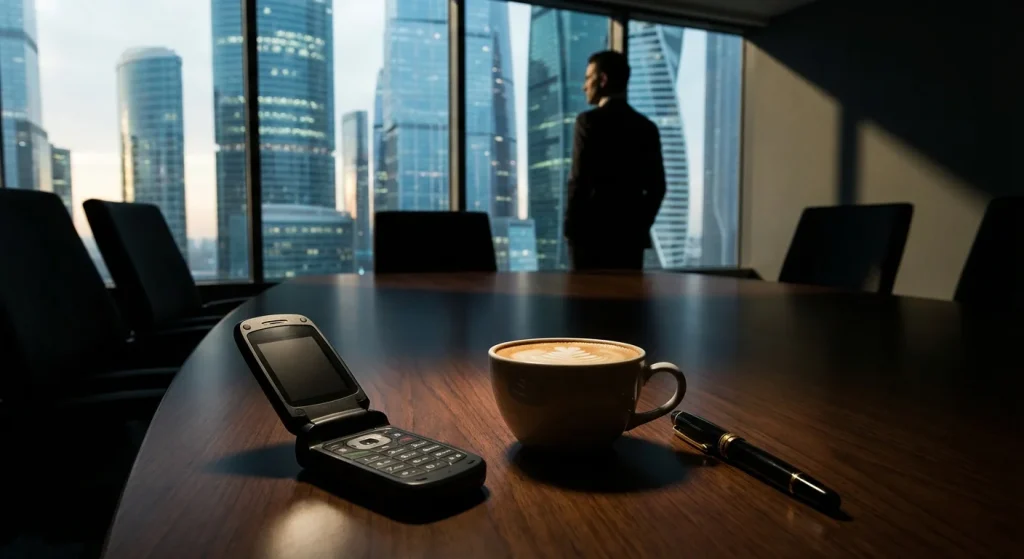
Imagine standing in the sleek, minimalist boardroom of a multi-billion-dollar Silicon Valley tech giant. The CEO, responsible for creating the very apps that keep billions of people glued to their screens, reaches into their pocket to take an important call. But instead of pulling out the latest $1,200 iPhone 15 Pro Max or an ultra-premium folding Android device, they flip open a $40 Nokia feature phone. This isn’t a glitch in the matrix; it’s a rapidly growing trend known as the ‘Dumb Phone’ movement. And ironically, the same tech elites who built the attention economy are the ones leading the charge to escape it.
There is an old, unwritten rule in the drug trade: ‘Don’t get high on your own supply.’ In recent years, this exact philosophy has been quietly adopted by the upper echelons of the tech world. The engineers, executives, and designers who intimately understand how social media algorithms manipulate dopamine receptors are actively choosing to opt out of the ecosystem. It started with subtle boundaries—like Steve Jobs famously refusing to let his children use iPads at home, or Tim Cook advising against infinite scrolling. Today, however, these boundaries have evolved into a complete hardware rejection.
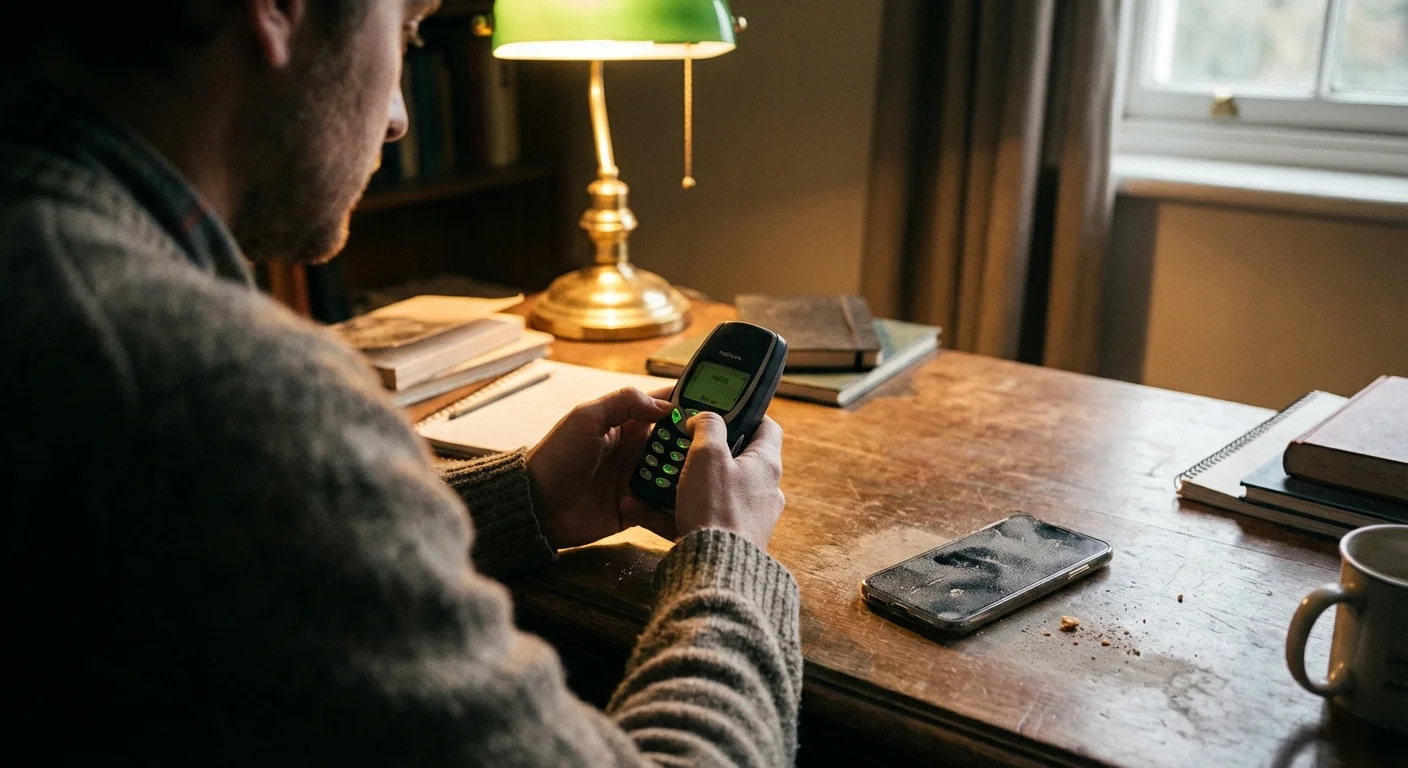
By swapping smart devices for ‘dumb phones’ (basic mobile phones that can only handle calls, texts, and perhaps a basic alarm clock), high-performing individuals are protecting their most valuable asset: their attention span. In a world where distraction is the default state, possessing the ability to focus deeply without the interruption of a buzzing notification has become the ultimate competitive advantage. When a CEO uses a basic flip phone, they are making a deliberate statement. They are saying that their time is too valuable to be hijacked by an algorithm.
To understand why this movement is exploding, we first have to look at what smartphones are actually doing to the human brain. Neuroscientists have compared the act of refreshing a social media feed to pulling the lever on a slot machine. Each swipe down generates a variable reward of dopamine—the brain’s ‘feel-good’ neurotransmitter. Sometimes you see a boring post, but sometimes you see something exciting, enraging, or hilarious. This unpredictability is exactly what makes smartphones so deeply addictive.
For a business leader tasked with making high-stakes, multi-million-dollar decisions, cognitive load is everything. The constant barrage of emails, Slack messages, news alerts, and social media notifications causes what psychologists call ‘decision fatigue.’ Every time your phone lights up, your brain is forced to context-switch, draining microscopic amounts of mental energy. By the end of the day, this constant digital barrage leaves even the sharpest minds feeling foggy, anxious, and depleted. The ‘dumb phone’ acts as a physical shield against this cognitive drain. When your phone literally cannot access the internet, the temptation to mindlessly scroll completely vanishes.
If you are considering making the switch, it helps to look at the tangible differences. It is not just about giving up apps; it is about what you gain in return. Here is a breakdown of how a flagship smartphone compares to a standard ‘dumb phone’ in the context of daily productivity and mental health:
| Feature | Flagship Smartphone | Basic Dumb Phone |
|---|---|---|
| Battery Life | 12 to 24 hours (requires daily charging) | Up to 2 weeks on a single charge |
| Primary Function | Entertainment, content consumption, apps | Calling, SMS texting, basic alarms |
| Cognitive Impact | High distraction, dopamine dependency | High focus, minimal mental clutter |
| Cost | $800 – $1,500+ | $30 – $100 |
| Security/Privacy | Constant location tracking, data harvesting | Minimal tracking, extremely difficult to hack |
You might be wondering: how does a modern CEO actually run a company without a smartphone? The secret lies in a concept called ‘Deep Work,’ popularized by author Cal Newport. Deep work is the ability to focus without distraction on a cognitively demanding task. Tech leaders who use dumb phones usually operate on a two-device system. They have a primary laptop or desktop computer where all the heavy lifting is done—emails, spreadsheets, video conferences, and Slack. But when they step away from their desk, the work stays there.
By carrying a flip phone in their pocket, they remain reachable for absolute emergencies, but they are completely insulated from the low-level digital noise of modern life. This creates vast pockets of uninterrupted thinking time during commutes, walks, or while waiting in line. Many CEOs report that their best strategic ideas and creative breakthroughs occur precisely during these moments of ‘boredom’—moments that would previously have been filled by staring at a screen.
If stepping away from the screen has you craving deeper focus, discover the breakthrough brainwave frequency designed to awaken your mind’s true potential.
Interestingly, this movement is not limited to tech billionaires and corporate executives. Gen Z—the generation that grew up with iPads in their cribs—is currently driving a massive resurgence in the sale of basic feature phones. On platforms like TikTok (ironically enough), the hashtag #DumbPhone has garnered hundreds of millions of views. Young people are suffering from unprecedented levels of digital burnout, anxiety, and depression linked to social media use.
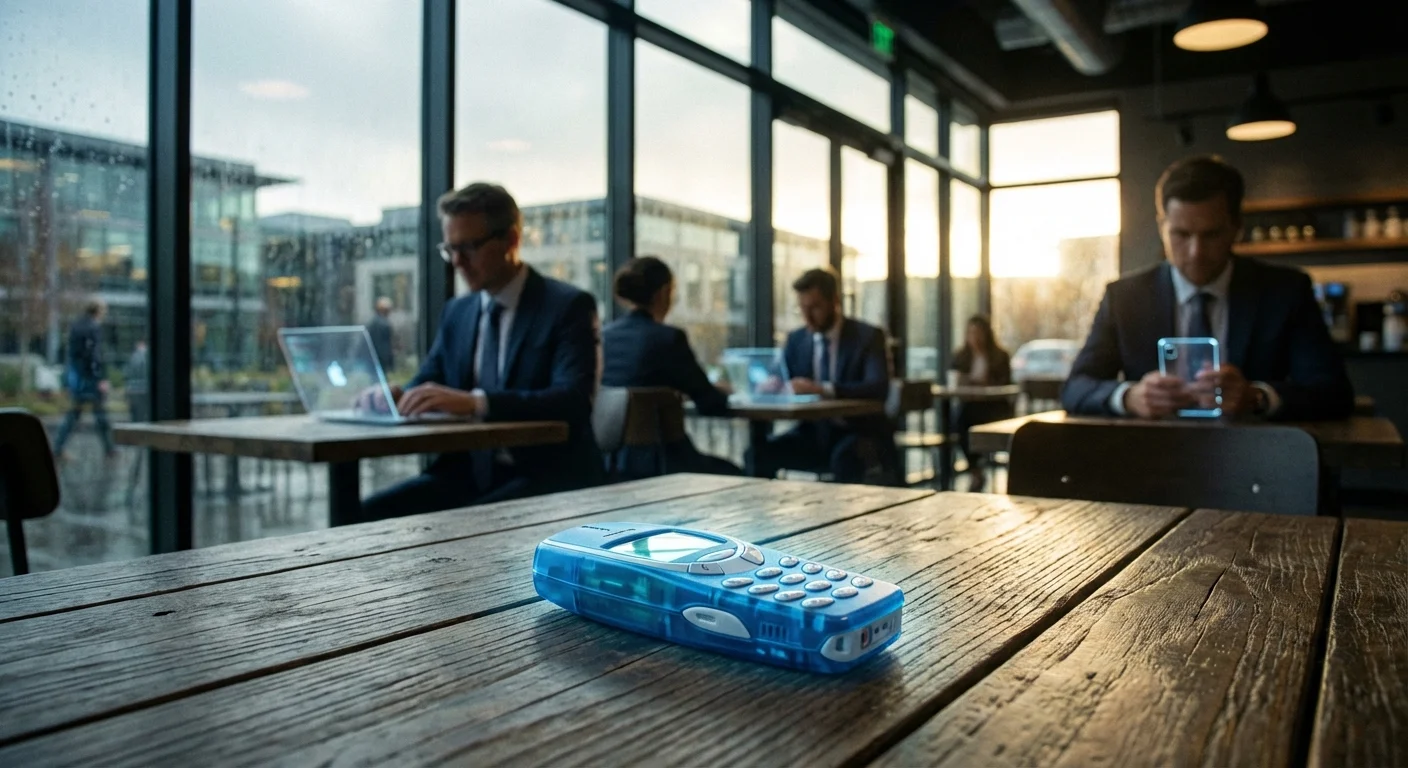
For Gen Z, carrying a retro Y2K-era flip phone to a party or a dinner date has become a status symbol. It broadcasts a message of presence and confidence. It shows that they are engaged in the real world rather than performing for an invisible online audience. Companies like Nokia have reported surging sales for their classic brick phones, while boutique tech companies are launching premium minimalist devices like the Light Phone 2 and the Punkt MP02, which cost around $300 but deliberately restrict features to just calling and texting.
If you are inspired to reclaim your brain and join the dumb phone movement, diving in cold turkey can be a logistical nightmare. Modern society relies heavily on QR codes, ridesharing apps, digital banking, and GPS navigation. Here is how top performers successfully make the transition without completely derailing their lives.
In a hyper-connected world where every corporation is violently competing for your eyeballs, the ultimate luxury is no longer access to information; it is the ability to disconnect from it. The ‘Dumb Phone’ movement is not about being a Luddite or hating technology. It is about taking back control. Tech CEOs are swapping their iPhones for $40 flip phones because they realize that their time, their peace of mind, and their undivided attention are worth far more than any app could ever offer. By choosing a dumb phone, you are making a bold declaration that you want to be the architect of your own life, rather than a passive consumer in someone else’s digital ecosystem.
1. Can you still use WhatsApp on a dumb phone?
It depends on the model. True basic phones (like an old-school flip phone) only support traditional SMS texts and voice calls. However, there is a middle-ground category called ‘smart feature phones’ (running on operating systems like KaiOS) that support basic versions of WhatsApp and Google Maps without having a web browser or app store.
2. How do people manage without Google Maps or Uber?
Many dumb phone users keep their smartphone in their car’s glovebox or in a backpack specifically for navigation and emergencies. Others buy a dedicated standalone GPS device for their car. For ridesharing, you can often call a local taxi service, or coordinate your Uber from your desktop computer before you leave.
3. Will I lose touch with my friends if I switch?
Initially, you might miss out on group chat memes or Instagram stories, but many users report that their real relationships actually improve. Because you can no longer casually ‘like’ a post to stay in touch, you are forced to make deliberate, meaningful phone calls to the people you actually care about.
4. Are ‘premium’ minimalist phones worth the price?
Devices like the Light Phone 2 cost nearly $300, which seems steep for a phone that does nothing. However, you are paying for premium build quality, an e-ink display that is easy on the eyes, and a sleek design that doesn’t feel like a cheap burner phone. If aesthetics matter to you, they are highly recommended.
5. Do employers allow their staff to use dumb phones?
If your job requires you to manage company social media or reply to Slack messages 24/7, a dumb phone won’t work. However, many knowledge workers find that keeping office communication strictly on their work laptops improves their productivity during working hours and protects their personal time after hours.