 11
11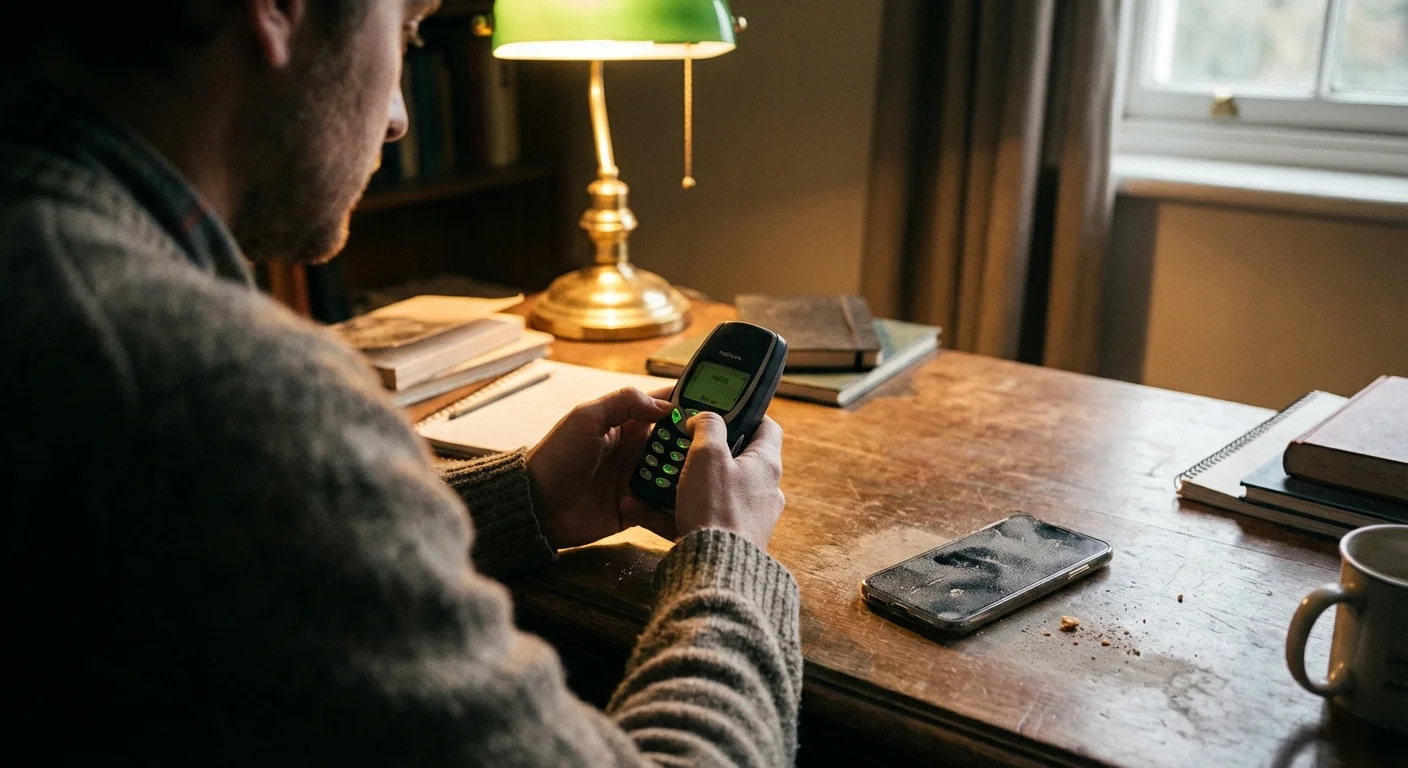
I was sitting on my couch, ostensibly watching a critically acclaimed movie, but my eyes were glued to a 6-inch glowing rectangle. I was simultaneously scrolling through Instagram reels, checking my email for the fourteenth time in an hour, and Googling the cast of the movie I wasn’t actually watching. Sound familiar?
When the screen time notification popped up on Sunday morning, my stomach dropped. 6 hours and 45 minutes daily average. That is nearly a full-time job spent staring at a screen. I had reached my breaking point. My attention span was completely fried; I couldn’t read ten pages of a physical book without instinctively reaching for my pocket. My brain was locked in a perpetual dopamine feedback loop, and I needed an escape hatch.
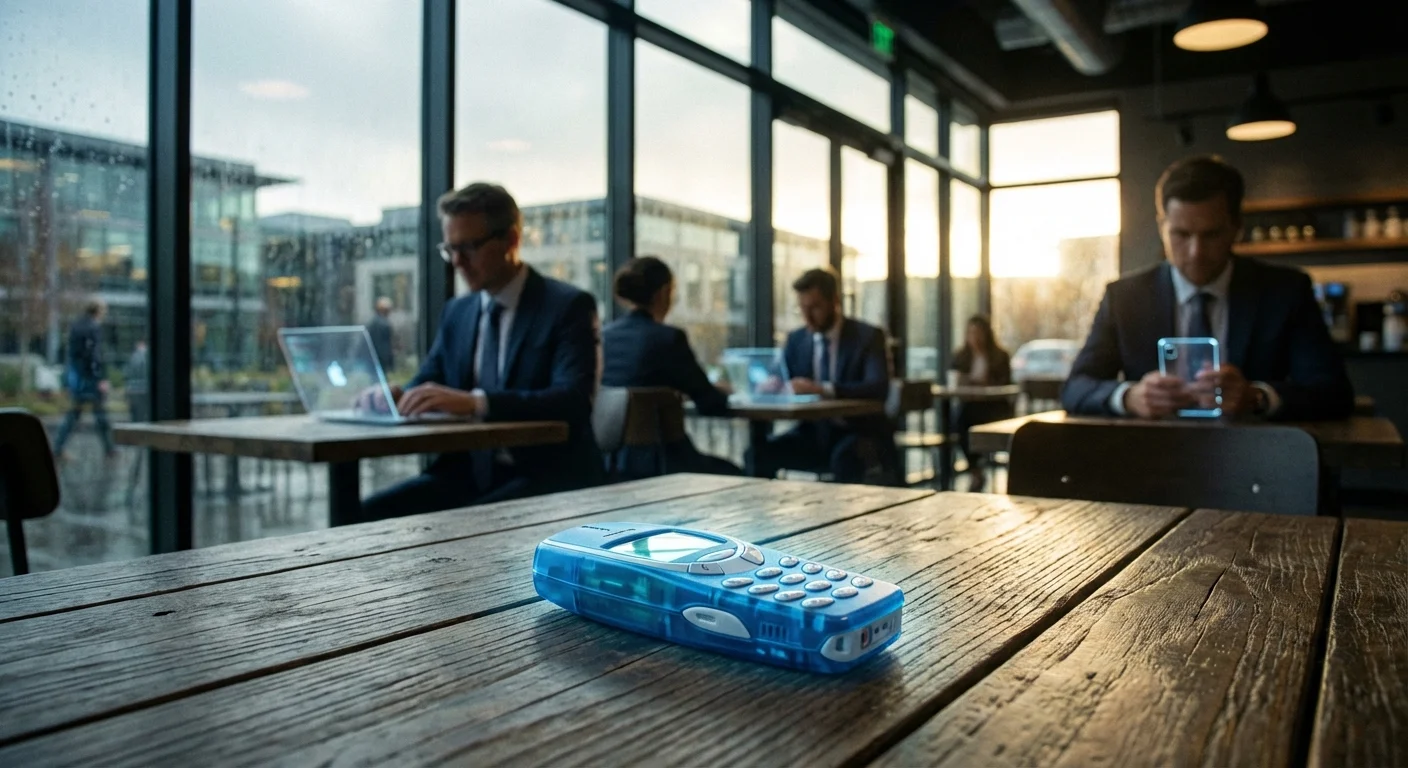
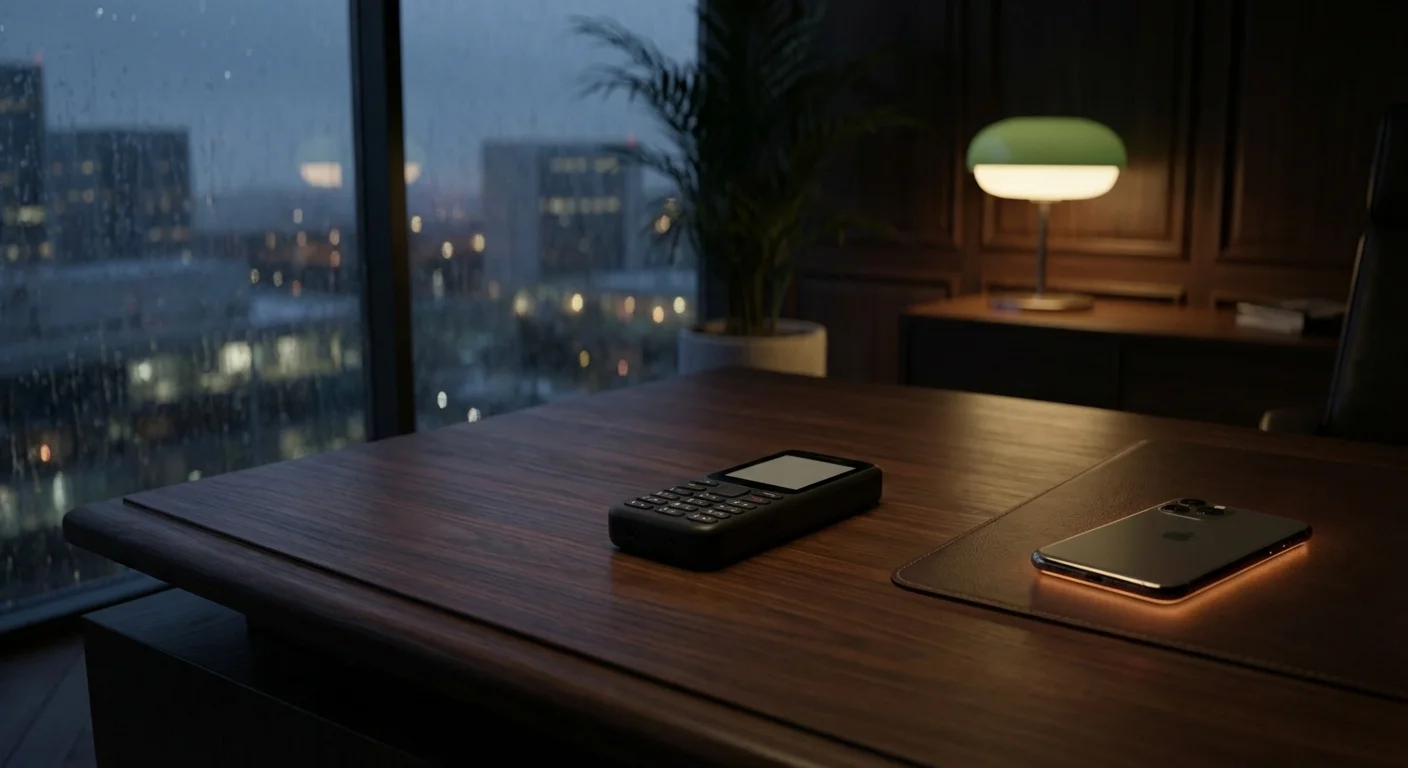
So, I did something drastic. I powered down my $1,200 iPhone, put it in a drawer, and bought a $40 basic “dumbphone”—a device capable of making calls, sending SMS text messages (via T9 typing, no less), and absolutely nothing else. I committed to a 30-day digital detox to see if I could salvage my fractured attention span.
Before diving into the experiment, it is crucial to understand why our smartphones are so addictive. They aren’t just communication tools; they are highly engineered slot machines designed by the brightest minds in Silicon Valley to hijack our neurochemistry.
Every like, comment, email notification, and endless scroll provides a micro-hit of dopamine. Over time, our brains build a tolerance. We need more stimulus just to feel a baseline level of satisfaction. This is why reading a book or having an uninterrupted conversation suddenly feels agonizingly slow and “boring.” I realized I wasn’t just distracted; I was experiencing a legitimate behavioral addiction. The dumbphone was my cold-turkey rehabilitation.
To make this experiment work without completely blowing up my professional and personal life, I had to set some logistical ground rules:
The first three days were pure psychological torture. The moment I left my house with the plastic dumbphone in my pocket, I felt naked. What if there was an emergency? What if someone sent me an urgent WhatsApp message? What if I needed to scan a QR code menu at a restaurant?
The most fascinating (and terrifying) phenomenon was the “phantom vibrations.” I would feel my thigh buzz, reach into my pocket, and pull out a phone that had no notifications. It was pure muscle memory. I was reaching for my phone at stoplights, in grocery store checkout lines, and during momentary lulls in conversation.
Without the safety blanket of infinite scrolling, I was forced to face something I hadn’t experienced in a decade: uninterrupted boredom. And initially, my brain hated it.
By the second week, the panic began to subside, replaced by a strange, quiet calm. Because I couldn’t escape into a digital world while waiting in line for coffee, I started doing something revolutionary: I looked around. I noticed the architecture of buildings. I made small talk with strangers.
More importantly, the boredom became a catalyst for creativity. Have you ever noticed that your best ideas come to you in the shower? That’s because the shower is one of the few places where we aren’t consuming content. With my dumbphone, my entire life became a “shower thought.” Without podcasts or YouTube videos filling every silent void, my mind began to wander. I started mentally outlining articles, solving problems that had been bothering me, and feeling a sudden surge of creative energy.
This is where the magic happened. Around day 15, I noticed a profound shift in my cognitive abilities. My attention span, which had been fragmented into 15-second TikTok-sized chunks, began to knit itself back together.
I sat down on a Sunday afternoon with a physical novel and read for two hours straight. No twitching, no urge to check the time, no desire to see what was happening on Twitter. It was a state of “flow” I hadn’t felt since my college days.
My work productivity skyrocketed. Because I wasn’t context-switching every five minutes to respond to a group chat, tasks that used to take me four hours were being completed in two. The mental fog lifted. My sleep drastically improved because I wasn’t blasting my retinas with blue light until the minute I closed my eyes.
The qualitative changes were incredible, but the quantitative data was even more staggering. Here is a breakdown of my habits before and after the 30-day dumbphone experiment.
| Metric | Before (iPhone) | After (Dumbphone) |
|---|---|---|
| Daily Mobile Screen Time | 6 hours 45 mins | 18 mins (calls/texts) |
| Books Read per Month | 0.5 | 4 |
| Average Sleep Duration | 6 hours | 7.5 hours |
| Focus Blocks (Uninterrupted) | Max 20 mins | 90+ mins |
If you want to effortlessly rewire your brain for maximum attention, focus, and creativity—even after a dopamine detox—you need to discover this breakthrough sound frequency.
It wasn’t all sunshine and reading classical literature. Society is built for smartphones, and opting out causes friction.
The hardest part was the micro-conveniences. Scanning QR codes for restaurant menus was impossible (I had to awkwardly ask for paper menus). Two-factor authentication for my bank required SMS, which worked, but banking apps themselves were inaccessible on the go. Taking high-quality photos was out of the question—the 2-megapixel camera on my dumbphone produced images that looked like they were taken with a potato.
However, this friction was entirely the point. We sacrifice our peace of mind for convenience. By adding friction back into my life, I regained control over my time.
On Day 31, I turned my iPhone back on. The rush of notifications from the past month flooded the screen. But to my surprise, I felt an overwhelming sense of disgust rather than excitement. I didn’t want to go back into the matrix.
Today, I’ve adopted a hybrid approach. I use my smartphone as a tool, not a companion. I deleted all social media apps from my phone, turning it into a device purely for navigation, banking, and taking photos. My home screen is entirely black and white (grayscale mode is a fantastic hack to make your phone less appealing). If I go out for dinner or for a walk, I often leave the smartphone at home and just take the dumbphone.
The experiment completely changed my relationship with technology. It proved to me that my attention span wasn’t permanently broken; it was just buried under a mountain of cheap dopamine.
No, usually you do not. If you buy an unlocked dumbphone that supports your carrier’s network bands, you can simply pop your existing SIM card out of your smartphone and into the dumbphone. Make sure you get an adapter if your dumbphone takes a Micro or Standard SIM and you have a Nano SIM.
This is the biggest hurdle for most. I informed my close friends and family that I would only be reachable via standard SMS text or phone call. Yes, you will miss out on some group chat memes. But you’ll quickly realize that 90% of those messages aren’t urgent, and true friends will happily text or call you directly.
You have a few options. You can print out directions before you leave the house (very old school!), buy a standalone GPS device for your car like a Garmin, or plan your routes carefully in advance. Getting lost occasionally is actually great for your spatial awareness.
A dumbphone can make emergency calls just like any smartphone. It actually has better battery life, often lasting up to a week on a single charge, making it far more reliable in a prolonged crisis than a smartphone that dies in 12 hours.
Not at all! You can easily find high-quality, basic feature phones online or at local electronics stores for between $30 and $70. It is a tiny investment for a massive return in mental clarity and regained time.