 11
11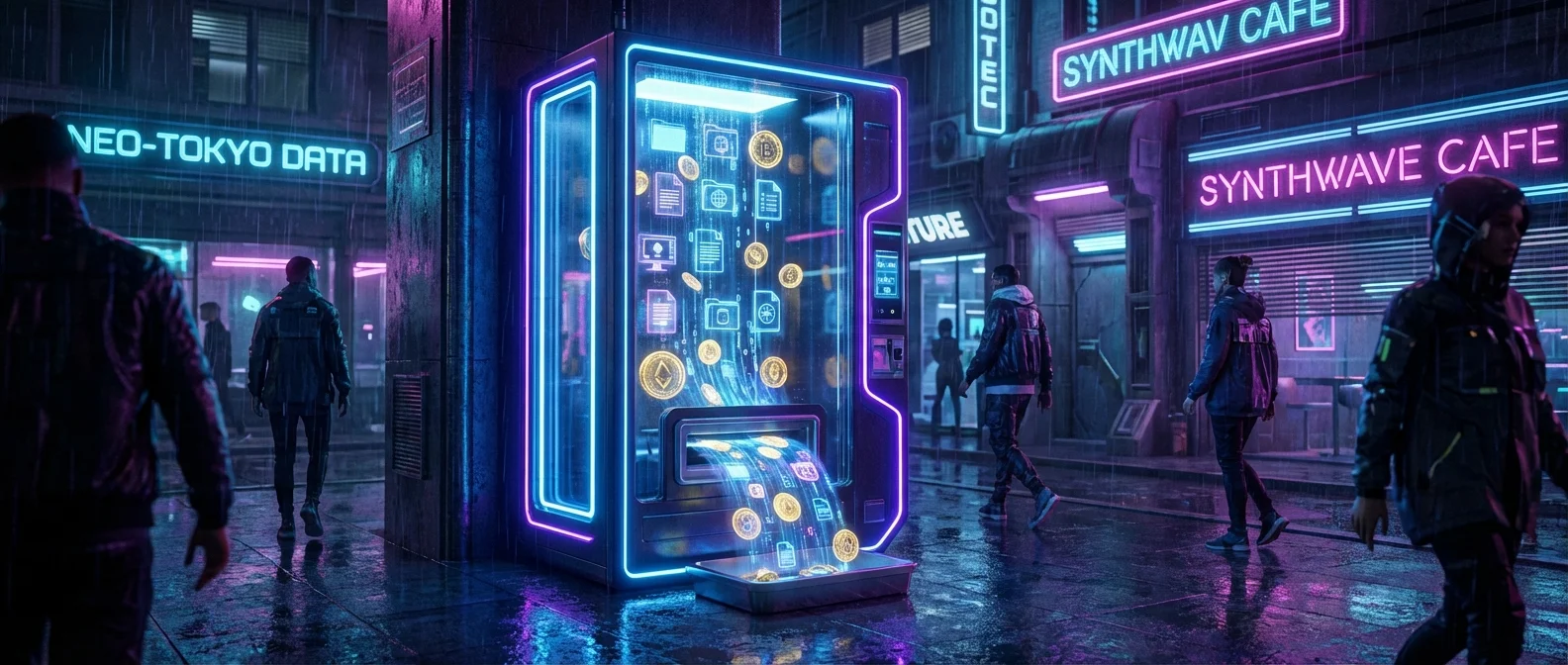
For the better part of a decade, the internet has been saturated with e-commerce gurus preaching the gospel of traditional dropshipping. You have likely seen the ads: a twenty-something millionaire leaning against a rented supercar, promising that you too can make passive income by selling cheap gadgets from overseas directly to consumers. They painted a picture of sipping piña coladas on a beach in Bali while your Shopify store prints money.
But let us pull back the curtain on the dropshipping reality of 2024. The landscape has drastically changed. Advertising costs on major social platforms have skyrocketed, making customer acquisition insanely expensive. Global supply chain issues and unpredictable shipping times mean your customers might wait four to six weeks for a product they could have bought on Amazon with next-day delivery. By the time you factor in the cost of goods, advertising spend, transaction fees, and refund rates for lost packages, your magical passive income stream often yields a painful 10% to 15% profit margin. The traditional dropshipping model is no longer the beginner-friendly goldmine it once was; it is a high-risk, low-reward grind masquerading as an easy side hustle.
Fortunately, a new wave of digital entrepreneurs has quietly abandoned physical products altogether. They are pivoting to a vastly superior business model that eliminates almost every headache associated with traditional e-commerce. Welcome to the era of the Digital Vending Machine.
A digital vending machine is not a physical box dispensing sodas and snacks. It is a highly optimized, fully automated online storefront that sells digital assets. These assets could be anything from premium Notion templates and meticulously crafted AI prompt libraries to specialized budgeting spreadsheets, printable artwork, or exclusive industry guides. The concept is brilliantly simple: you create a digital product once, upload it to an automated delivery platform, and let the system handle the rest.
When a customer makes a purchase, the ‘machine’ automatically processes the payment and instantly emails them a link to download the file. There is no inventory to manage, no suppliers to negotiate with, and no shipping delays. You are quite literally making money while you sleep, with a system that operates seamlessly 24/7/365.
If you are still on the fence about abandoning physical products, let us examine exactly why the digital vending machine model is the undisputed king of tech side hustles in 2024.
Unlike dropshipping, where you must purchase a physical item for every sale made, a digital product costs absolutely nothing to replicate. Whether you sell 10 copies or 10,000 copies of your customized meal plan spreadsheet, your cost of goods sold (COGS) remains zero. Once you cover your basic software subscriptions, almost every dollar that comes in is pure, unadulterated profit.
Have you ever had to deal with an angry customer whose package was lost in transit by a third-party logistics company? It is a nightmare that drains your time and energy. Digital vending machines provide instant gratification. The customer pays, and within three seconds, the product is sitting in their inbox. This instant delivery model results in incredibly high customer satisfaction and a refund rate that is virtually non-existent.
A physical store can run out of stock. Even a dropshipper can face supplier shortages. A digital file, however, has infinite inventory. You never have to worry about stockouts during a viral marketing moment. If your TikTok video suddenly gets 5 million views overnight, your digital vending machine can serve 10,000 customers simultaneously without breaking a sweat.
Because you are not dealing with physical returns or coordinating with international shipping companies, your business fits inside your laptop. You can genuinely run a massive digital product empire from a coffee shop in Paris or a cabin in the woods, requiring nothing more than an internet connection.
To truly understand the disparity between these two models, let us look at a direct comparison of their core mechanics.
| Feature | Traditional Dropshipping | Digital Vending Machines |
|---|---|---|
| Profit Margins | Typically 10% – 20% | 95% – 100% (after platform fees) |
| Inventory Costs | Pay per item sold | Zero. Create once, sell forever. |
| Fulfillment Time | 2 to 6 weeks (often from overseas) | Instant (Automated email delivery) |
| Customer Service | High volume of complaints and tracking requests | Minimal. Usually just resetting download links. |
| Risk Level | High (Ad account bans, supplier unreliability) | Extremely Low (Full control over assets) |
The best part about this side hustle is the staggeringly low barrier to entry. You do not need thousands of dollars in startup capital. Here is the exact blueprint to launch your own automated income stream this weekend.
The biggest mistake beginners make is creating a product they think is cool, rather than solving a specific problem. Look for ‘bleeding neck’ problems—urgent, painful issues that people are desperate to solve right now. Are freelance graphic designers struggling to organize their client onboarding? Create a comprehensive Notion template for freelance management. Are new parents struggling to get their toddlers to sleep? Write a highly actionable, 30-page PDF guide on sleep training schedules.
In 2024, you do not even need to be an expert writer or coder to create high-value digital products. You can leverage Artificial Intelligence to do the heavy lifting. Use tools like ChatGPT to help outline your guides, generate massive lists of prompts, or write the formulas for complex Excel spreadsheets. Use Canva to design stunning, professional covers and layouts for your digital products. What used to take weeks of formatting can now be done in a few hours.
You do not need a complex, expensive website. Platforms like Gumroad, Stan Store, or Lemon Squeezy act as your digital vending machine. They host your file securely, provide a beautiful checkout page, process credit cards and Apple Pay, and automatically deliver the product to the buyer. You can set up an account and have your product live in less than fifteen minutes.
Build your software, create high-converting websites, and launch your automated digital product empire in minutes without writing a single line of code.
Do not waste your money on Facebook ads. The modern digital vending machine thrives on organic short-form content. Create a dedicated TikTok, Instagram Reels, or YouTube Shorts account centered entirely around your niche. Share valuable, bite-sized tips related to the problem your product solves. End every video with a simple call-to-action directing viewers to the link in your bio. Over time, the algorithms will push your content to highly targeted audiences, resulting in a steady stream of automated daily sales.
There is a powerful psychological trigger at play with digital products: Instant Gratification. When someone is stressed about organizing their finances, and they see a beautifully designed ‘Ultimate Wealth Tracker Spreadsheet’ for $19, they do not hesitate. The price point is low enough to be an impulse buy, and the promise of instantly solving their anxiety is too good to pass up. By pricing your digital products between $9 and $49, you bypass the logical friction of a buying decision and tap directly into the emotional desire for immediate solutions.
Once your vending machine is spitting out $50 to $100 a day, it is time to scale. The beauty of digital products is the ease of upselling. If a customer buys your $15 guide on ‘Starting a YouTube Channel,’ your vending machine platform can automatically offer them a $29 ‘YouTube Thumbnail Canva Template Pack’ at checkout. Suddenly, your average order value doubles. Furthermore, every customer who buys from you is added to an automated email list. You can build a backend sequence that sells higher-ticket courses, exclusive memberships, or software subscriptions weeks after the initial purchase.
The era of buying cheap plastic junk from overseas and waiting a month for it to arrive is dying. Consumers demand instant value, and creators demand sustainable, high-margin businesses. The digital vending machine model perfectly aligns the needs of the modern buyer with the lifestyle goals of the modern entrepreneur. Stop spending thousands on physical inventory and Facebook ads. Identify a problem, build a digital solution, plug it into an automated storefront, and start generating pure profit. Your future self will thank you.
Absolutely not. With platforms like Canva, you have access to thousands of pre-designed templates that you can customize via drag-and-drop. Furthermore, AI tools can help you generate the text, code snippets, or formulas you need to create a valuable asset.
While general markets may seem crowded, niches are endlessly profitable. Instead of a broad ‘fitness guide,’ a highly specific ‘Post-Partum Core Recovery Guide for C-Section Moms’ will dominate its specific market with zero competition.
Most modern digital vending machine platforms, like Gumroad or Lemon Squeezy, act as the Merchant of Record (MoR). This means they automatically calculate, collect, and remit digital sales taxes and VAT globally on your behalf, so you don’t have to worry about international tax compliance.
Yes. Many successful digital creators use brand names, avatars, or faceless social media channels to drive traffic to their storefronts. You do not need to be an influencer or show your face to generate massive sales.